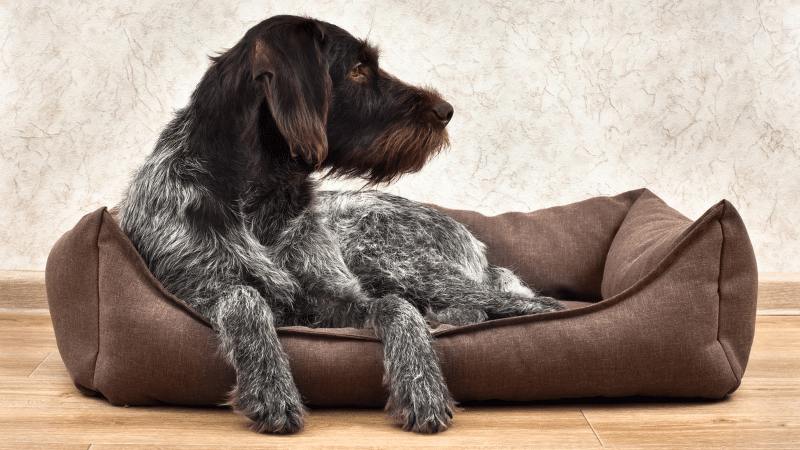
Dogs sleep between 12 and 14 hours a day, and puppies and senior dogs sleep even more. Where they rest matters enormously. A quality dog bed is not a luxury purchase; it is a genuine investment in your dog’s joints, sleep and daily wellbeing. Here is why choosing the right dog bed is worth getting right, what a good one actually does for your pet, and how to pick the one that suits your dog.
Why the Right Dog Bed Matters More Than You Think
Hard tile, concrete and wooden floors offer no support. A dog that sleeps on them night after night carries that strain into its joints and posture, and thin-coated dogs also lose body heat to the cold surface. A supportive bed changes the picture completely, which is why so many owners upgrade once they see the difference in how their dog rests and moves.
Ten Benefits of a Quality Dog Bed
1. Joint and muscle support
An orthopaedic dog bed distributes weight evenly and relieves pressure on hips, shoulders and elbows, which is especially important for larger breeds and older dogs prone to stiffness.
2. Better quality sleep
A comfortable, defined space helps your dog settle into deeper, uninterrupted rest, and a well-rested dog is calmer, more focused and easier to train.
3. Warmth off cold floors
In a South African winter, tiled floors get bitterly cold, particularly in the Highveld. A raised or padded bed insulates your dog from that chill, which matters most for thin-coated breeds and seniors.
4. A space of their own
A dedicated bed gives your dog security and a place to retreat to when the house is busy, which supports calm behaviour and reduces anxiety.
5. Protects your furniture
A dog that loves its own bed is far less inclined to claim the sofa or your own bed, saving your furniture from hair, dirt and wear.
6. Easier to keep clean
A bed with a removable, washable cover contains hair, dander and dirt in one spot instead of spreading it across the house, which helps if anyone in the home has allergies.
7. Support for senior dogs
Older dogs with stiff joints or arthritis benefit hugely from cushioning that makes lying down and getting up less painful, helping them stay mobile for longer.
8. Helps with house training
A defined resting place reinforces good routines and complements the structure you build through positive reinforcement dog training.
9. Size to suit the breed
A big dog bed lets a large breed stretch out fully, while a snug bed suits dogs that like to curl up. Match the bed to your dog, not the other way around, particularly for one of South Africa’s larger working breeds such as the Boerboel.
10. Long-term value
A cheap bed flattens within months and needs replacing. A well-made one holds its shape for years, so it costs less over time and keeps supporting your dog properly.
What to Look For in a Good Dog Bed
Firmness matters: memory foam or high-density foam holds up far better than loose polyester filling that quickly compresses. Look for a durable, chew-resistant outer fabric, a non-slip base, and a cover that unzips for machine washing. For dogs that suffer in the heat, a raised mesh bed improves airflow, while a bolstered bed suits dogs that like to rest their head on a raised edge.
Choosing and Placing the Bed
Measure your dog lying down and add a little room, then pick a washable, appropriately firm bed. Place it somewhere warm and draught-free, away from busy foot traffic. Introduce it with encouragement and a few treats rather than forcing your dog onto it. Avoiding that kind of pressure is one of the simplest ways to sidestep the usual dog training mistakes.
The Bottom Line
The right dog bed protects your dog’s joints, improves its sleep and gives it a secure place of its own. Good sleep supports good behaviour and, alongside routine care like up-to-date vaccinations, it is a small investment that pays off in a healthier, happier dog. For guidance on your dog’s overall welfare needs, the RSPCA dog care resources are a reliable reference.