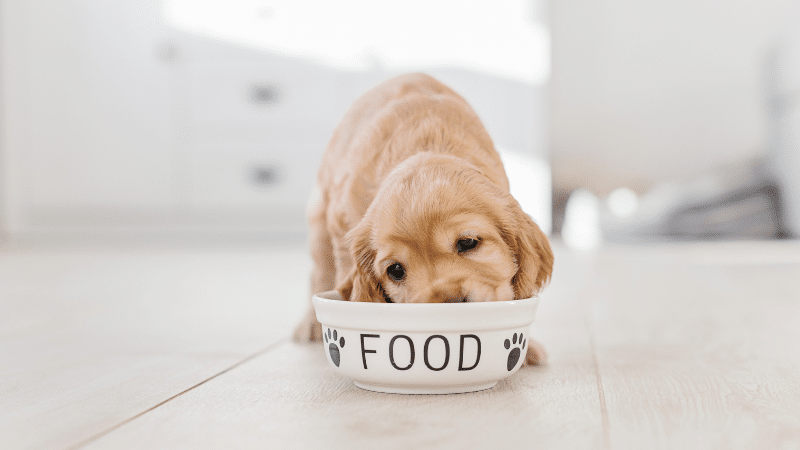
Walk into any pet store and you will face an overwhelming wall of options — dry kibble, wet food, raw frozen patties, grain-free, breed-specific and life-stage formulas from dozens of brands. Choosing the best dog food matters more than most owners realise. Your dog’s diet directly affects its energy, coat, joints, digestion and lifespan. This guide cuts through the marketing and focuses on what actually matters.
Understand Your Dog’s Nutritional Needs
Before comparing brands, understand that requirements vary significantly based on:
- Life stage — puppies, adults and seniors have different caloric and nutrient needs.
- Breed size — large breeds need controlled calcium levels during growth to protect joint development.
- Activity level — a working farm dog needs far more energy than a city apartment dog.
- Health status — dogs with kidney disease, allergies or diabetes need specialised diets.
A food that is excellent for an adult Labrador Retriever may be wrong for a Boerboel puppy or a senior Dachshund. Life-stage feeding is not just marketing — it reflects real physiological differences.
Dry vs Wet vs Raw: What Is the Difference?
Dry Kibble
The most widely used option in South Africa. Convenient, shelf-stable, cost-effective and supportive of dental health through the mechanical action of chewing. Quality varies enormously between brands — the price gap between budget and premium kibble usually reflects a genuine difference in ingredient quality.
Wet Food
Higher moisture content makes it easier to eat (useful for older dogs or those with dental issues) and often more palatable. It is generally more expensive per kilogram and does not offer the same dental benefit as kibble, so many owners use it as a topper rather than a complete diet.
Raw Feeding
Raw diets (BARF — Biologically Appropriate Raw Food) have grown in popularity. Advocates cite improved coat condition, smaller stools and better energy. The concerns are real too: bacterial contamination risk, nutritional imbalance if the diet is not correctly formulated, and higher cost and preparation time. If you want to try raw, work with a vet or canine nutritionist to keep the diet balanced.
How to Read a Dog Food Label
Ingredients are listed by weight, so the first few tell you what the food is mostly made of. Look for:
- A named protein first — “chicken” or “lamb”, not a vague “meat and animal derivatives”.
- Whole ingredients over anonymous fillers and excessive cereal.
- A “complete” statement — complete foods meet all nutritional needs; “complementary” ones do not and must be fed alongside something else.
- Appropriate life-stage labelling for your dog’s age.
For a deeper look at what dogs actually need from their diet, the overview of dog food composition is a helpful, non-commercial reference.
Choosing the Best Dog Food in South Africa
Local buyers have a strong mix of established local brands and imported ranges to choose from. Rather than chasing the single “best” bag, match the food to your dog: pick the correct life stage and breed size, choose the highest ingredient quality your budget allows, and check that the food is available consistently at stores near you — switching brands repeatedly upsets digestion. Premium does not automatically mean best; the right food is the balanced one your individual dog thrives on.
How to Switch Foods Safely
Never change food overnight. A sudden switch is a common cause of stomach upset. Transition over seven to ten days:
- Days 1 to 3: 75% old food, 25% new.
- Days 4 to 6: 50/50.
- Days 7 to 9: 25% old, 75% new.
- Day 10: 100% new food.
If you see loose stools or reduced appetite, slow the transition down.
Portion Control and Weight
Obesity is one of the most common and preventable health problems in dogs, shortening lifespan and straining joints. Use the feeding guide on the pack as a starting point, then adjust to your dog’s body condition — you should be able to feel the ribs without pressing hard and see a visible waist from above. Treats count toward the daily total, so factor them in, especially during training. If you are unsure of a healthy target weight, your vet can advise, and regular wellness checks are the ideal moment to review it.
The Bottom Line
There is no single best dog food for every dog. The best choice is the complete, balanced food that matches your dog’s life stage, size, activity and health — fed in the right amount and introduced gradually. Get those fundamentals right and you will support your dog’s health from the inside out, for years to come.