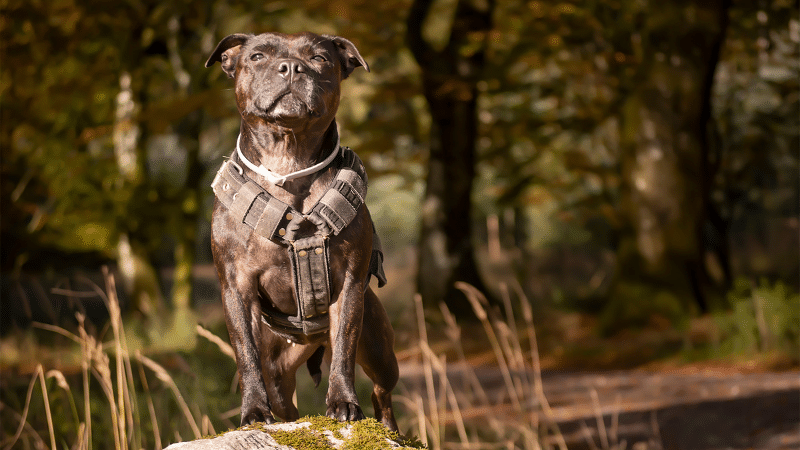
Walk through any South African suburb, park or nature reserve and you will notice the shift: the humble collar is giving way to the dog harness. This is not a passing trend. For dogs that pull, for puppies still learning their manners, and for breeds with delicate airways, a well-fitted harness offers real advantages a collar simply cannot match. If you have only ever clipped a lead to a collar, it is worth understanding what a harness changes and why so many owners and vets now recommend one.
Collar vs Harness: What Actually Happens on the Lead
A flat collar concentrates every bit of pulling force onto a single point: your dog’s neck. For a dog that lunges at other dogs, strains toward a scent, or reacts to passing cars, that repeated pressure sits directly over the trachea, thyroid gland and cervical spine. Over time it can contribute to coughing, tracheal irritation and, in more serious cases, injury.
A dog harness spreads that same force across the chest and shoulders, the strongest and best-padded part of your dog’s body. The result is more comfortable walks for your dog and far better control for you, especially with a strong or excitable dog. A collar still has its place for holding an ID tag, but for the physical act of walking, a harness is the more considered choice.
The Practical Benefits of a Dog Harness
Better control for dogs that pull
A front-clip harness redirects a pulling dog back toward you instead of letting it drag ahead. It will not train the pulling out on its own, but it makes every walk manageable while you do the training. Pair it with consistent leash training for dogs and you will see steady progress rather than a daily tug of war.
Safer for puppies and small breeds
Young dogs and toy breeds have fragile necks. A harness removes the risk of a sudden jolt injuring a small windpipe, which makes it the sensible default while you are still socialising your puppy and getting it used to traffic, other dogs and busy pavements.
Protection for flat-faced and at-risk breeds
Brachycephalic breeds such as Bulldogs and Pugs already work harder to breathe. Any pressure on the throat makes that worse. A harness keeps the airway clear and is strongly recommended for these dogs by veterinary bodies such as the American Veterinary Medical Association.
Harder to slip out of
A nervous or anxious dog can back out of a collar in seconds and bolt into traffic. A correctly fitted harness wraps the body securely, giving a fearful dog far fewer chances to escape and giving you real peace of mind on busy roads.
A more secure attachment point
Harnesses give you a stable place to attach a lead, a seatbelt clip for the car, or a handle for helping an older dog up steps. That versatility is difficult to match with a collar alone.
Choosing the Right Harness
There are two main styles. A back-clip harness, with the lead ring between the shoulder blades, suits calm dogs and small breeds and is the easiest to put on. A front-clip harness, with the ring on the chest, is the better choice for dogs that pull because it gently turns them back toward you. Some dual-clip designs offer both. Whichever you choose, fit is everything: you should be able to slide two fingers under any strap, with no rubbing at the armpits and no restriction of the shoulder movement. Check the fit regularly on a growing puppy, as they can outgrow a harness in a matter of weeks.
How to Introduce a Harness Without a Fuss
Do not simply strap it on and head out the door. Let your dog sniff the harness, reward calm interest with a treat, then build up to short indoor sessions before your first walk. This gentle, reward-based approach is pure positive reinforcement dog training, and it prevents the harness from becoming something your dog dreads. Rushing this step, or forcing a frightened dog into the harness, is one of the most common dog training mistakes owners make.
The Bottom Line
For most South African dogs, a properly fitted harness is safer, kinder and more practical than a collar for daily walks. It protects the neck, improves your control, and makes training easier, whether you own a tiny companion or one of the country’s most popular dog breeds. Match the style to your dog, get the fit right, and introduce it patiently. For more on harness design and history, the dog harness overview on Wikipedia is a useful starting point.