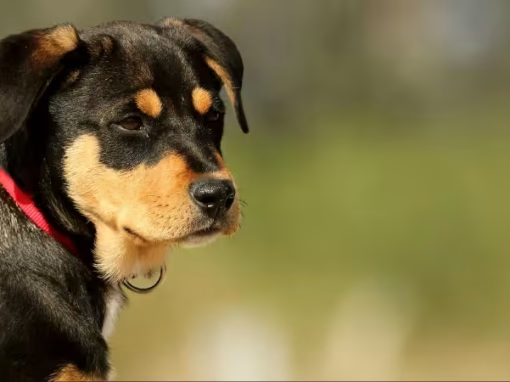
Bringing a puppy home is equal parts joy and chaos. One of the first (and most important) habits to teach is where to toilet. Potty training is not about punishment or “catching them in the act”. It’s about building a routine your puppy can succeed with, rewarding the right behaviour, and setting up your home so accidents become less likely over time. Learn how to potty train your puppy with a simple routine, rewards, crate tips, night training and accident fixes for fast, stress-free results.
The good news is that nearly every puppy can be reliably house-trained with consistency. The even better news is that you don’t need complicated methods. You need timing, supervision, repetition, and the right clean-up approach.
Table of Contents
What “Potty Trained” Really Means
Potty trained doesn’t mean your puppy never has an accident. In the early weeks, accidents are normal because puppies have small bladders, limited control, and they’re still learning your household rhythms. Reliable toilet training means your puppy learns a clear rule: toileting happens in one designated place, and good things happen when they go there.
Progress often looks like fewer accidents, clearer signals, and longer stretches between toilet breaks. Expect ups and downs, especially after changes like visitors, travel, a new schedule, or tummy upsets.
How Long Does Potty Training Take?
Some puppies get the idea within a few weeks, but consistency over several months is common. Age, breed size, previous living conditions, and your routine all matter. Smaller breeds often need more frequent toilet breaks. Rescue puppies may need extra patience if they’ve had limited access to clean indoor spaces or routine.
A helpful mindset is to treat the first month as teaching the pattern, and the next few months as reinforcing it until it becomes automatic behaviour.
Set Up Your Home for Success
Choose a Toilet Spot (and Stick to It)
Pick one outdoor area where you want your puppy to go. Taking them to the same spot helps because the smell cues them that this is the correct toilet area. If you live in a flat or have limited access to outside, choose an appropriate alternative such as a balcony toilet area with a grass patch or puppy toilet solution, then keep that location consistent.
Use a Crate or Small Safe Area
A crate can be one of the easiest tools for toilet training because most puppies avoid soiling their sleeping area. The crate must be the right size: big enough to stand up, lie down, and turn around, but not so big that they can toilet in one corner and sleep in another. If you’re not using a crate, a small puppy-proofed area can help you supervise and control access to the home.
Crates are not for punishment. They are for management, safety, and routine-building.
Manage Freedom Carefully
Your puppy earns freedom as they become reliable. In the beginning, too much roaming space leads to hidden accidents and slower learning. Keep your puppy near you, use baby gates, and supervise actively. If you can’t watch them closely, use the crate or safe area.
The Golden Rule: Routine + Supervision + Reward
Build a Toilet Schedule Around Puppy Biology
Puppies usually need to toilet after sleep, after eating or drinking, after play, and during exciting moments like greeting people. A common approach is to take your puppy out frequently at first, then gradually extend the time as they gain control.
If your puppy is under 12 weeks, frequent trips are normal. Night-time toilet breaks are also common at the start. As your puppy grows, their bladder capacity improves and they can hold it longer.
Use One Simple Cue Word
Choose a cue like “toilet” or “wee-wee” and say it calmly when your puppy starts to go. Over time, the cue becomes useful when you need them to toilet quickly before a car ride or bedtime. Keep the cue consistent and avoid repeating it nonstop. Say it once or twice and then let them focus.
Reward Immediately After They Finish
Timing is everything. Reward as soon as your puppy finishes toileting in the correct spot. Praise warmly and give a small treat right away. Rewarding even a few seconds late can confuse your puppy because they may think they’re being rewarded for walking back to you rather than toileting.
If your puppy gets distracted outdoors, keep it boring until they go. Then reward, and only then allow play or exploring. This prevents a common pattern where puppies learn that toileting ends outdoor fun.
Step-by-Step Potty Training Plan
Day One: Start as You Mean to Continue
From the first day home, take your puppy to the toilet area frequently. Use the same door to go outside if possible, and guide them on lead so they don’t wander off. Calmly wait, reward as soon as they finish, and then return indoors.
Week One: Prevent Accidents Before They Happen
In the first week, the focus is prevention. The fewer indoor accidents your puppy has, the faster they learn. Watch for signs that they need to go, such as sniffing the floor, circling, suddenly wandering away, heading to corners, or stopping mid-play.
If you see these signs, take them out immediately. If you miss the signs and your puppy starts to toilet indoors, interrupt gently without scaring them. A simple clap or “ah-ah” can be enough, then take them outside to finish and reward if they do. Avoid shouting. Fear can create sneaky toileting or anxiety around you.
Weeks Two to Four: Add Predictability, Not Pressure
As your puppy starts understanding the routine, keep it consistent. Feed at set times, take them out after meals, and build a predictable rhythm. Predictability helps your puppy learn faster than constant changes.
Gradually increase the time between toilet trips once your puppy is doing well. If accidents increase, reduce the time again. Toilet training is not a straight line.
What to Do When Accidents Happen (Because They Will)
Clean Properly to Remove the Smell
Standard household cleaners often leave lingering odours your puppy can detect, even if you can’t. Use an enzymatic cleaner designed for pet accidents. This breaks down the proteins that cause the smell, reducing repeat accidents in that spot.
If you can, block access to previously soiled areas until your puppy is more reliable.
Never Punish Accidents
Punishment doesn’t teach your puppy where to go. It teaches them that toileting near you is unsafe. That can lead to hiding behind furniture to toilet, refusing to go in front of you outside, or becoming anxious.
If accidents are frequent, it usually means one of three things: the routine isn’t frequent enough, supervision is too loose, or there’s a medical issue.
Common Potty Training Challenges and Fixes
Your Puppy Toilets Inside Right After Coming In
This often happens when the puppy didn’t actually go outside, got distracted, or felt unsafe outdoors. Keep them on lead, choose a quiet toilet spot, and give them a few minutes. If they don’t go, bring them inside briefly and try again soon rather than assuming they’re “empty”.
Your Puppy Is Afraid to Toilet Outdoors
Noisy roads, other dogs, rain, or unfamiliar surfaces can make puppies hesitant. Choose a calmer spot, reduce distractions, and keep the experience gentle. Avoid dragging them. Give them time, and reward even small progress.
Your Puppy Only Toilets on Walks
Some puppies learn that walking equals toileting and won’t go in the garden. Use the lead in your garden and stand still in the chosen toilet area until they go, then reward. You can also take a short walk only after they toilet, so the reward becomes the walk itself.
Regression After Progress
Regression is common during growth spurts, teething, routine changes, or when your puppy gets more freedom too soon. Go back a step: increase toilet breaks, reduce roaming space, and tighten supervision for a week or two.
Night-Time Potty Training
Night-time training is mainly about management. Young puppies may need a toilet break during the night. Keep it quiet and boring: carry them to the toilet spot, wait, reward softly, and return them to the crate. No play, no long chats, and low lighting if possible. Most puppies naturally start sleeping through the night as they mature, especially with consistent daytime routines.
Should You Use Puppy Pads?
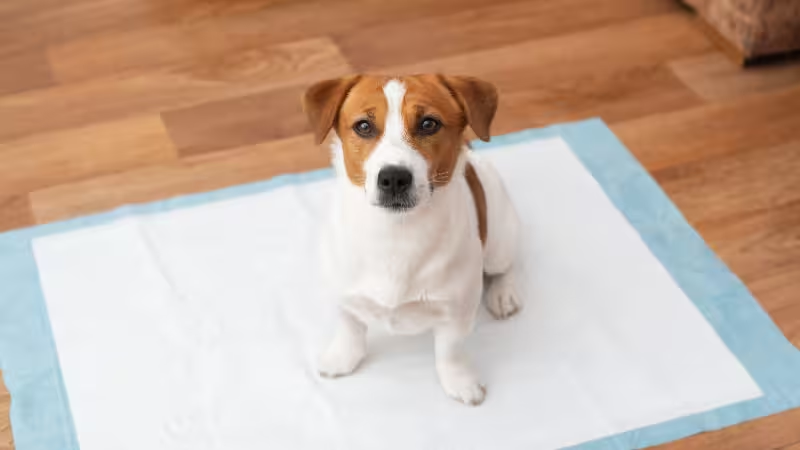
Puppy pads can help in specific situations, like high-rise living, very young puppies, or when outside access is limited. The trade-off is that pads can teach your puppy that toileting indoors is acceptable, which may slow the transition to outdoor toileting.
If you do use pads, treat them as a temporary tool. Place them in one consistent area, reward pad use, and gradually move the pad closer to the door or outdoor toilet spot, then phase it out. If you have a garden, many households find it faster to focus on outdoor toileting from the start.
When to Speak to a Vet
House training should improve steadily with a solid routine. If your puppy is urinating very frequently, straining, producing small amounts, having diarrhoea, or suddenly starts having accidents after being reliable, a vet check is a good idea. Urinary tract infections, parasites, digestive issues, and other conditions can affect toilet behaviour.
The Best Mindset for Potty Training
Potty training works best when you think like a coach, not a referee. Your puppy isn’t being “stubborn” or “naughty”. They’re learning a brand-new rule while trying to manage a body that’s still developing. Stay calm, reward the behaviour you want, manage the environment to prevent mistakes, and keep the routine consistent.
With time, your puppy will learn that the right place to toilet is clear, safe, and rewarding.