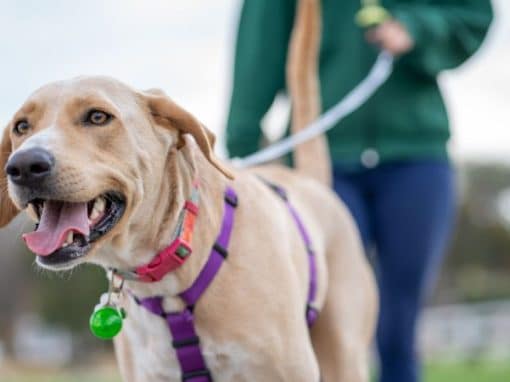
Whether you have just brought home a new puppy or you are working with an older dog that has developed some challenging habits, investing in training is one of the most valuable things you can do for your pet. The dog training benefits extend far beyond simple obedience commands. Training shapes your dog’s confidence, strengthens your relationship, and creates a calmer, safer household for everyone.
Why Dog Training Matters More Than You Think
Many pet owners assume training is only necessary when a dog misbehaves. In reality, structured training provides mental stimulation, builds communication between you and your dog, and prevents behavioural problems before they start. A well-trained dog is not a suppressed dog — it is a confident one that understands what is expected and feels secure in its environment.
Research published in the Journal of Veterinary Behavior consistently shows that dogs who receive regular training display fewer anxiety-related behaviours, are less likely to be surrendered to shelters, and live more enriched lives overall.
The Key Dog Training Benefits
1. A Stronger Bond Between You and Your Dog
Training sessions are dedicated time spent communicating with your dog. Every successful repetition builds mutual trust. Your dog learns to look to you for guidance, and you learn to read your dog’s body language and emotional state. This two-way communication is the foundation of a healthy human-animal relationship.
2. Better Safety in Everyday Situations
A dog that reliably responds to recall, sit, and stay commands is a safer dog — in the park, around traffic, and when visitors arrive at your home. Solid leash training alone can prevent dangerous situations like your dog bolting into a busy road or lunging at other animals during a walk.
3. Reduced Problem Behaviours
Destructive chewing, excessive barking, jumping on guests, and aggression often stem from boredom, frustration, or a lack of clear boundaries. Consistent training addresses the root cause of these issues rather than just the symptoms. If your dog is still in the early stages, tackling problems like puppy biting early on prevents them from becoming entrenched adult behaviours.
4. Improved Socialisation
Training teaches your dog how to behave appropriately around other dogs, people, and new environments. A well-socialised puppy grows into a dog that is relaxed at the vet, comfortable in public spaces, and welcome in more places. Socialisation is not something that happens by accident — it requires deliberate, guided exposure, and training provides the framework for that.
Benefits of Positive Reinforcement Dog Training
Not all training methods are equal. The benefits of positive reinforcement dog training are well documented in animal behaviour science. This approach rewards desired behaviours with treats, praise, or play rather than relying on punishment or correction.
Positive reinforcement works because it teaches your dog what to do, not just what to avoid. Dogs trained this way tend to be more willing to offer new behaviours, solve problems, and engage during training sessions. They also show lower levels of stress and fear compared to dogs trained with aversive methods.
Tools like training clickers are a practical way to mark the exact moment your dog performs the correct behaviour, making communication clearer and learning faster. The click becomes a precise signal that tells your dog “yes, that is exactly what I wanted.”
Benefits of Dog Agility Training
If you are looking to take training further, agility is worth considering. The benefits of dog agility training go well beyond physical exercise.
- Physical fitness: Agility involves jumping, weaving, tunnelling, and climbing, which builds cardiovascular health, coordination, and muscle tone. This is particularly valuable for high-energy breeds that need more than a daily walk.
- Mental stimulation: Navigating an agility course requires focus and problem-solving. Your dog must listen to your cues while processing the environment, which provides intense mental exercise.
- Confidence building: Completing obstacles successfully gives nervous or uncertain dogs a real sense of achievement. Over time, agility can transform a timid dog into a more self-assured one.
- Deepened teamwork: Agility demands real-time communication between handler and dog. You work together as a unit, which strengthens the partnership in ways that standard obedience training alone cannot.
Agility is suitable for most breeds and ages, though it is sensible to have a vet check before starting, especially with puppies whose joints are still developing or older dogs with mobility concerns.
Avoiding Common Pitfalls
The benefits of training only materialise with consistency and the right approach. Many owners unintentionally undermine their progress by sending mixed signals, skipping practice, or using outdated punishment-based methods. If you are not seeing results, it is worth reviewing whether you are making any of the most common dog training mistakes before assuming your dog is the problem.
Training is a skill for the human as much as the dog. Working with a qualified animal behaviourist can help you understand your dog’s specific needs and tailor your approach accordingly.
Start Where You Are
You do not need expensive equipment or a perfect training facility to begin. A quiet space, a handful of treats, and ten minutes of focused practice each day will produce results. Start with the basics — sit, stay, recall — and build from there.
The dog training benefits compound over time. Every session, no matter how short, is an investment in a calmer, happier dog and a more rewarding relationship. If you are ready to get started or need guidance with a specific behavioural challenge, get in touch with our team for a professional consultation tailored to your dog’s needs.