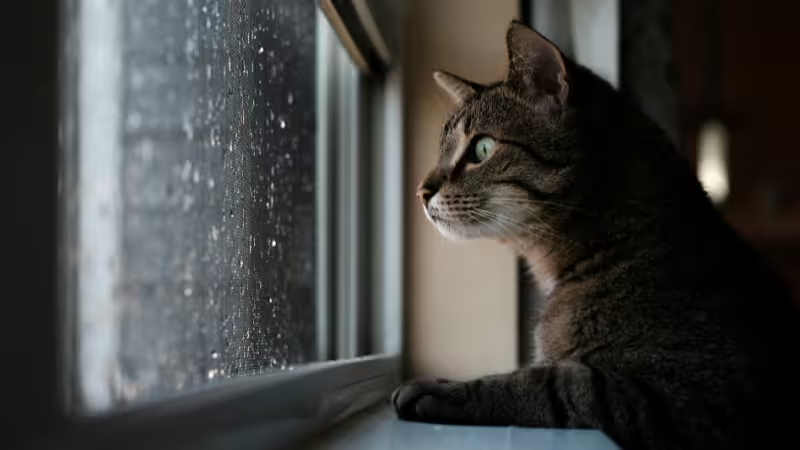
Thunderstorms can be deeply unsettling for cats. The sudden booms of thunder, bright flashes of lightning, and dramatic shifts in air pressure combine to create an experience that can send even the most relaxed feline running for cover. If you've ever wondered how to keep your cat calm during a thunderstorm, you're not alone — millions of pet owners face this challenge every storm season. The good news is that with a little preparation and the right approach, you can help your cat feel significantly safer when the skies turn grey.
Table of Contents
Why Thunderstorms Frighten Cats
Cats are naturally sensitive creatures, and their senses are far more acute than ours. What sounds like a distant rumble to us can register as an enormous, threatening boom to a cat. Their heightened sensitivity to barometric pressure changes means they often begin to feel anxious before a storm even arrives — the drop in air pressure and the build-up of static electricity in the air can trigger unease well before the first crack of thunder.
Common Signs of Storm Anxiety in Cats
Unlike dogs, cats don't tend to pace, bark, or whine when they're frightened. Their anxiety can be much more subtle, which is why it often goes unnoticed. Watch for signs like excessive hiding, clinginess, restlessness, dilated pupils, flattened ears, or unusual aggression toward other pets. Some cats will stop eating or using their litter box during a storm. If your cat's behaviour doesn't return to normal once the storm has passed, it's worth having a conversation with your vet.
Creating a Safe Space for Your Cat
One of the most effective things you can do to keep your cat calm during a thunderstorm is to provide a dedicated safe space — a spot where your cat can retreat and feel genuinely protected.
Choosing the Right Room
The best rooms are those furthest from windows and external walls. Bathrooms and interior rooms tend to work well because they are naturally more insulated from both sound and light. They're also generally grounded spaces, which can help reduce the static electricity that contributes to anxiety. Basements, where available, are another excellent option.
Making the Space Comfortable
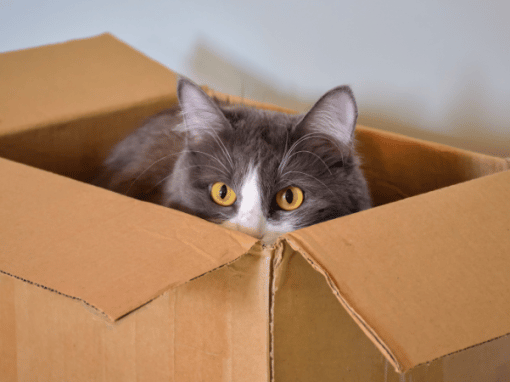
Once you've identified the right room, make it as inviting as possible. Bring in your cat's favourite blanket, a familiar toy, and perhaps an item of your clothing — the scent is reassuring to cats and can act as a calming anchor when you're not right beside them. A covered cat bed or a cardboard box lined with a soft blanket can give your cat the enclosed, den-like feeling they instinctively seek when stressed.
Playing soft music or white noise in the room can also help. The background sound masks the sharp unpredictability of thunder, making the overall soundscape feel less threatening.
How to Keep Your Cat Calm During a Thunderstorm: In-the-Moment Strategies
Preparation matters, but knowing what to do when the storm actually hits is just as important.
Stay Calm Yourself
Cats are remarkably attuned to their owners' emotional states. If you're visibly anxious or hovering over your cat in a worried manner, they will pick up on that tension. The most powerful thing you can do is project a calm, relaxed energy. Go about your normal activities as much as possible, and avoid making a big fuss whenever thunder sounds.
Let Your Cat Lead
Don't force your cat out of a hiding spot or try to make them sit on your lap if they're not seeking contact. Doing so can actually heighten their anxiety and may result in scratches. Instead, make yourself available — sit near their hiding spot, speak in a soft voice, and let them come to you on their own terms.
Use Distraction Techniques
If your cat is still in the early stages of anxiety and hasn't completely retreated, distraction can be a useful tool. Offer a favourite treat, engage them with a toy, or try a short play session. Positive engagement can redirect their attention away from the storm and help them associate the experience with something pleasant.
Close the Blinds and Curtains
Lightning flashes can amplify a cat's fear response significantly. Drawing the curtains or closing the blinds reduces the visual intensity of the storm and makes the safe space feel more enclosed and secure.
Products That Can Help
There is a wide range of products on the market designed to reduce storm-related anxiety in pets, and several work particularly well for cats.
Anxiety Wraps and Thundershirts
Pressure wraps like the Thundershirt apply gentle, constant pressure to your cat's body — similar in principle to swaddling an infant. This steady pressure has a calming effect on the nervous system and can reduce anxious behaviour during storms and other stressful events. It's important to introduce the wrap before storm season so your cat is already comfortable wearing it when they need it most.
Pheromone Products
Synthetic pheromone products, such as Feliway, are among the most widely recommended tools for managing feline anxiety. Feliway replicates the natural calming pheromones that cats produce when they feel safe and comfortable. Available as a plug-in diffuser or a spray, it can be used in your cat's safe space to create a more soothing environment. Because pheromone products are species-specific, always use one formulated specifically for cats.
Natural Remedies
For owners who prefer a more natural approach, there are several options worth exploring. Bach's Rescue Remedy is a flower-based remedy developed to ease anxiety and is considered safe for most animals. Other natural supplements include formulations containing ingredients like chamomile, ashwagandha, and l-theanine, which can help promote calmness without sedation. Always consult your vet before introducing any new supplement to your cat's routine.
Humidifiers
This one surprises many people, but dry air significantly increases static electricity, which in turn can worsen storm anxiety in pets. Adding a humidifier to your cat's favourite room can help reduce static charge and may make a noticeable difference in how your cat copes.
Medication
In severe cases, and only under the guidance of a veterinarian, medication may be appropriate for cats with extreme storm phobia. This should always be a last resort, as some medications can lower body temperature and may have other side effects if used too frequently. Work closely with your vet to determine whether this is the right path for your cat.
Desensitising Your Cat to Thunder
Long-term desensitisation is one of the most effective strategies for reducing storm anxiety, though it requires patience and consistency.
Sound Therapy
The process involves playing recordings of thunderstorm sounds at a very low volume while your cat is relaxed and comfortable — ideally during a positive activity like eating or playing. Over time, the volume is gradually increased. The goal is to help your cat associate the sound of thunder with calm, normal circumstances rather than danger. This process takes weeks or even months but can produce lasting results.
Platforms like DogTV and services like Pet Acoustics offer curated soundscapes and music specifically designed to keep pets calm, and these can be incorporated into a desensitisation programme or used as background noise during actual storms.
Building a Pet Emergency Kit
Storm preparedness goes beyond keeping your cat calm in the moment — it also means being ready for worst-case scenarios, such as having to evacuate your home.
What to Include
A well-stocked pet emergency kit should contain a portable carrier, your cat's vaccination records, ID tags, a collar, and at least three days' worth of food and water. The general recommendation is a minimum of 3.785 litres of water per animal per day. Include your cat's litter box and litter, any medications they take regularly, food and water dishes, cleaning supplies (avoiding anything ammonia-based), a few familiar toys, and a recent photograph of your cat in case you become separated.
Reviewing and restocking this kit after every storm season ensures that it remains current and ready to use.
What to Do After the Storm
Once the thunder fades and the rain eases, there are still a few important steps to take before declaring the all-clear.
Check for Hazards
Before allowing your cat back outside or into other areas of the house, do a quick inspection of the property. Look for fallen power lines, broken glass, damaged fences, or other storm-related hazards that could pose a risk to your cat's safety. It's also advisable to remain indoors for at least 30 minutes after the last clap of thunder.
Reassure Your Cat
Even after the storm has passed, some cats remain in a heightened state of anxiety for a period of time. Stay close, offer affection on their terms, and keep the environment quiet and calm. Gradually returning to your normal routine will help signal to your cat that all is well.
When to Speak to a Vet
If your cat's storm anxiety is severe — to the point where they injure themselves, stop eating for extended periods, or become persistently aggressive — it's time to involve a professional. Your vet can assess the level of anxiety, rule out any underlying health issues, and recommend a tailored management plan. In some cases, a referral to a veterinary behaviourist may be appropriate.
Knowing how to keep your cat calm during a thunderstorm is ultimately about understanding your individual cat's needs and building a toolkit that works for them. With the right safe space, the right products, and a calm, consistent approach from you, storm season doesn't have to be a source of dread for either of you.