Few decisions shape your cat’s long-term health as much as the food in the bowl. Cats are obligate carnivores, built to run on animal protein rather than grain fillers or plant substitutes. Get their cat food right and you will see it in the coat, the energy, and the vet bills you never receive. Get it wrong and you will see that too.
What Cats Actually Need to Eat
Unlike dogs or people, cats cannot make certain nutrients themselves. They must get taurine, arachidonic acid, and preformed vitamin A directly from animal tissue. A cat kept on a plant-based diet develops serious problems over time; a taurine shortfall, for instance, can lead to heart and eye disease. This is basic feline biology, not a matter of preference.
Protein
Protein should make up the bulk of the diet. Look for a named animal protein such as chicken, beef, lamb, or fish as the first ingredient. Vague terms like “meat by-products” or “animal derivatives” are worth avoiding where a better option exists.
Fat
Fat fuels energy, brain function, and the absorption of fat-soluble vitamins. Omega-3 and omega-6 fatty acids support the coat and calm inflammation. Fish-based foods are a good source, though fish should not be the only protein in rotation.
Hydration
Cats have a naturally low thirst drive, a legacy of desert ancestors who drew most of their moisture from prey. That makes wet food valuable for most cats, particularly in preventing urinary problems. If you feed mainly dry cat food, keep fresh water available at all times and add wet food to at least one meal a day.
Dry Food vs Wet Food vs Raw
Each format has trade-offs. Dry kibble is convenient and affordable, with brands like Hill’s, Royal Canin, and Whiskas widely stocked across South Africa, but it is lower in moisture and often higher in carbohydrate than a cat needs. Wet food mirrors a natural diet more closely on moisture and protein, though it costs more and must be refrigerated once opened.
Raw feeding has grown locally, and done properly it can be excellent. The operative word is properly: raw diets must be nutritionally balanced, handled hygienically, and matched to your cat’s health. Check with your vet before switching, especially for cats with existing conditions. For most homes a combined approach works well, a quality dry food as the base topped up with wet or raw for moisture and variety. Our guide on what cats like to eat goes deeper on choosing between them.
Reading Cat Food Labels
Pet food marketing is written for owners, not cats. “Natural,” “premium,” and “gourmet” carry no regulated meaning. Focus instead on what the label actually tells you:
- Ingredient list: ingredients are listed by pre-cooking weight, so a named meat in first place is a good sign.
- Guaranteed analysis: shows minimum protein and fat and maximum fibre and moisture; higher protein is generally better for cats.
- Nutritional adequacy statement: confirms the food meets recognised standards for your cat’s life stage.
Be wary of foods that lead with corn, wheat, or rice. These are cheap fillers a carnivore digests poorly, and they have no business dominating the bowl.
How Much and How Often to Feed
Portion size depends on age, weight, activity, and whether your cat is neutered. Packaging guidelines tend to run generous, so weigh your cat regularly and adjust to body condition, you should feel the ribs easily but not see them.
- Kittens (under 12 months): need more calories per kilogram; feed three to four times daily.
- Adult cats (1 to 7 years): usually do well on two meals a day.
- Senior cats (8 and older): slower metabolism and kidney health take priority, and wet food matters more; review choices with your vet.
Free-feeding suits some cats but leads many to overeat. If yours is gaining weight, structured meals work better. And if your cat has learned to pester you between meals, our guide on stopping begging for food offers practical fixes.
Foods You Should Never Give Your Cat
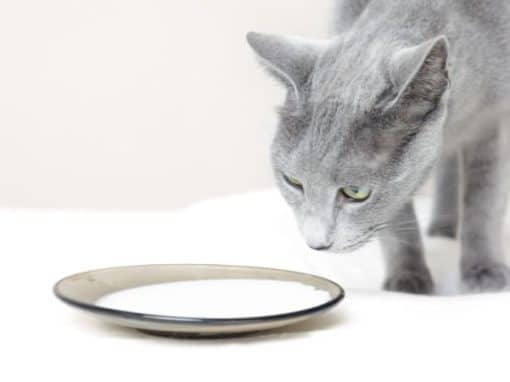
Several everyday foods are toxic to cats, including onions, garlic, grapes, raisins, chocolate, caffeine, xylitol, and alcohol. Even small amounts can do serious harm. Dairy trips people up too; most adult cats are lactose intolerant, so an occasional saucer of milk is more likely to upset the stomach than to nourish.
When to Talk to Your Vet
Feeding gets more nuanced with a diagnosed condition. Urinary crystals, kidney disease, diabetes, and inflammatory bowel disease all carry dietary implications that go beyond standard advice; here, food is part of the treatment. If you notice changes in appetite, weight, or coat, raise it with a vet rather than simply swapping brands. Feeding well remains one of the simplest ways to extend your cat’s lifespan and protect their quality of life into old age.