Cats are obligate carnivores, which means their bodies are built to run on animal protein and nothing replaces it. Understanding what cats genuinely like to eat, and what they actually need versus what clever marketing sells you, makes everyday feeding decisions far simpler. This guide covers the essentials of a healthy cat diet for South African owners.
The Foundation: Protein and Fat
A cat’s diet should be built around high-quality animal protein. Chicken, turkey, lamb, rabbit and fish all qualify. Protein supports muscle maintenance, immune function and organ health, while fat is the cat’s main energy source and carries the fat-soluble vitamins that keep skin and coat healthy.
What cats do not need is a heavy carbohydrate load. Unlike dogs and humans, cats lack the salivary enzyme amylase that begins carbohydrate digestion. Their livers make glucose from protein instead, through a process called gluconeogenesis. Dry kibble, which is often 30 to 50 percent carbohydrate, works against that biology. It is not poison, but it is not ideal as the whole diet either. It helps to understand how commercial cat food is formulated so you can read past the packaging claims.
Wet Food vs Dry Kibble
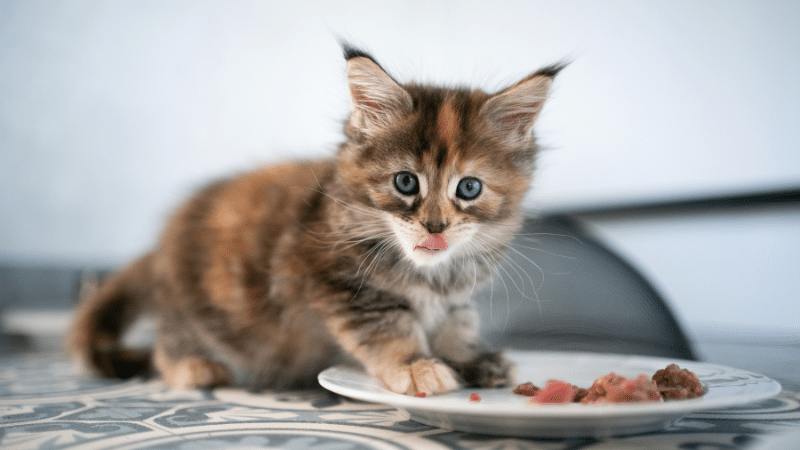
Wet food more closely mirrors a cat’s natural prey diet. It is high in moisture, roughly 70 to 80 percent, which supports kidney and urinary tract health, a genuine concern given that cats have a naturally low thirst drive. In the wild, cats get most of their water from prey rather than a bowl.
Dry kibble wins on convenience and storage, and offers mild dental abrasion, though that benefit is often overstated. If you feed mostly dry food, make sure fresh water is always available and watch whether your cat is actually drinking enough. A mixed approach works well for many households: wet food as the main meal, with a little dry food for grazing.
Foods to Avoid
Several common human foods are genuinely dangerous for cats:
- Onions and garlic damage red blood cells and cause anaemia, including in cooked and powdered forms.
- Grapes and raisins are linked to kidney failure.
- Xylitol, an artificial sweetener in many human products, is toxic to pets.
- Raw fish in excess contains thiaminase, which destroys vitamin B1 over time.
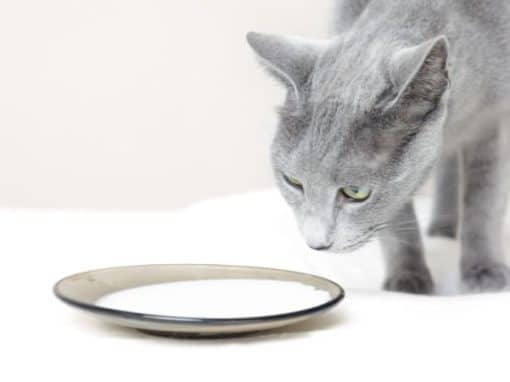
- Milk and cream upset most adult cats, who are lactose intolerant despite the nostalgic image.
- Cooked bones splinter and can cause internal damage.
Life Stage Matters
A kitten’s needs differ sharply from an adult or senior cat’s. Kittens need more calories, protein and calcium per kilogram to fuel rapid growth, so look for food labelled complete and balanced for growth or for all life stages. Senior cats, typically 10 and older, often do better on food formulated for older animals, with controlled phosphorus to protect the kidneys and easily digestible protein. Weight management matters here too, as less active cats gain weight that strains the joints.
Reading the Label
Ingredients are listed by weight. A named meat such as chicken appearing first is a reasonable sign, while vague terms like meat by-products without a named species should make you cautious. A short list of recognisable ingredients usually beats a long one full of additives and flavour enhancers. Look for a complete and balanced statement against an established standard such as AAFCO for the stated life stage.
Water, Treats and Human Food
Because cats evolved from desert-dwelling hunters, their thirst drive is weak and dehydration is a real, quiet risk, especially on a dry-food diet. Encourage drinking with several water bowls around the home, away from the food, and consider a pet water fountain, as many cats prefer running water. As for treats and table scraps, a little plain cooked chicken or fish is fine as an occasional extra, but treats should make up no more than about 10 percent of daily calories. Skip the dangerous foods listed above entirely, and remember that consistency beats variety: cats are creatures of habit and sudden diet changes often cause stomach upsets, so switch foods gradually over a week or so.
Feeding Routine and Enrichment
Most adult cats do well on two measured meals a day, with portions matched to body condition rather than the generous figures on the packet. Feeding is also a chance for mental stimulation: puzzle feeders and food-based games tap into natural hunting behaviour and are a simple form of enrichment for indoor cats. The same reward-based thinking that underpins cat training applies to feeding, and getting nutrition right from kittenhood pairs naturally with early litter training.
Get the foundation right, watch portions, avoid the dangerous foods, and feed for your cat’s life stage. Do that consistently and you give your cat the best possible start on a long, healthy life.