Bringing a new kitten home is exciting, but one of the first things you need to sort out is kitten litter training. The good news? Cats have a natural instinct to bury their waste, which means litter training a kitten is usually straightforward when you set things up correctly from the start.
Whether you have adopted a tiny kitten or taken in a slightly older one that has never used a tray before, this guide walks you through everything you need to know about kitten litter box training — from choosing the right setup to troubleshooting common problems.
Why Kitten Litter Training Is Usually Easier Than You Think
Cats are hardwired to dig and bury. In the wild, this behaviour helps them avoid attracting predators. Domesticated kittens retain this instinct, which works in your favour. Most kittens pick up litter tray habits within a few days if you provide the right environment.
That said, kittens under four weeks old may not have the coordination or understanding to use a tray consistently. If your kitten is very young, you may need to stimulate them to eliminate (using a warm, damp cloth on their belly, just as the mother cat would do with her tongue) until they are old enough to manage on their own.
Choosing the Right Litter Box and Litter
The litter box
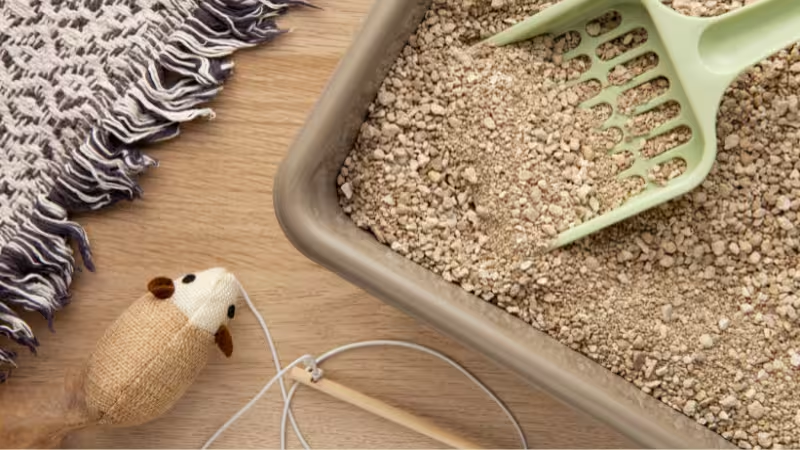
Start with a shallow, open tray. Kittens are small, and a box with high sides can be intimidating or physically difficult to climb into. Avoid covered or hooded boxes for young kittens — they may feel trapped or simply not find the entrance. You can upgrade to a larger, enclosed box once your kitten is confident and fully grown.
The litter
Use a fine-grained, unscented, clumping litter. Kittens explore the world with their mouths, and heavily scented or dusty litters can irritate their respiratory systems. Avoid crystal-type litters for very young kittens, as they may try to eat the pellets. A standard clay-based clumping litter is a safe starting point.
Fill the tray with about 5 cm of litter — deep enough for digging, but not so deep that it feels unstable underfoot.
Where to Place the Litter Box
Location matters more than most people realise. Follow these guidelines:
- Quiet and accessible — avoid placing the tray next to loud appliances like washing machines or in high-traffic areas where the kitten may feel exposed.
- Away from food and water — cats instinctively avoid eliminating near their food source. Keep the tray in a separate area.
- One per cat, plus one extra — if you have multiple cats, this rule helps prevent territorial disputes. For more on managing multi-cat households, read our guide on how to stop cats fighting in your home.
- Easy to reach — if your kitten is confined to one room during the settling-in period, make sure the tray is in that room.
Step-by-Step: How to Litter Train a Kitten
Step 1: Introduce the tray early
As soon as your kitten arrives home, show them where the litter tray is. Place them gently inside it so they can feel the texture under their paws and have a sniff around. Do not force them to stay — just let them investigate.
Step 2: Watch for the signs
Kittens typically need to go after eating, drinking, playing, or waking from a nap. Watch for signs like sniffing the ground, circling, or crouching. When you spot these cues, pick your kitten up calmly and place them in the tray.
Step 3: Reinforce the behaviour
When your kitten uses the tray successfully, let them be. There is no need for loud praise or treats — simply allowing them to complete the process undisturbed is the best reinforcement. Never punish a kitten for accidents. Scolding or rubbing their nose in a mess creates fear and anxiety, which makes the problem worse, not better. If your kitten has a tendency to nip when handled, our article on how to stop your cat from biting may help.
Step 4: Keep the tray clean
Scoop the tray at least once a day and do a full litter change weekly. Cats are fastidious animals and may refuse to use a dirty tray. If your kitten suddenly stops using the box, a dirty tray is often the first thing to check.
Kitten Litter Training Tips for Stubborn Cases
Most kittens learn quickly, but some need extra patience. Here are practical kitten litter training tips for when things are not going smoothly:
- Confine the space — keep your kitten in a smaller room with the litter tray until they use it consistently. Too much freedom too soon can lead to confusion about where to go.
- Try a different litter — some kittens have texture preferences. If your kitten avoids the tray, experiment with a finer or coarser litter.
- Add a second tray — if your kitten has had accidents in a specific spot, place a tray there temporarily. Once they are using it reliably, you can gradually move it to your preferred location.
- Rule out medical issues — if a previously trained kitten starts having accidents, a vet visit is warranted. Urinary tract infections, digestive issues, and parasites can all affect litter habits.
- Check for stress — new environments, other pets, or changes in routine can cause setbacks. Providing enrichment for indoor cats can help reduce stress-related litter avoidance.
Common Mistakes to Avoid
Even well-meaning owners make errors that can derail kitten litter box training. Watch out for these:
- Punishing accidents — this creates fear, not understanding. Clean up with an enzymatic cleaner to remove the scent and redirect your kitten to the tray next time.
- Moving the tray too often — once your kitten knows where the tray is, keep it in the same spot. Constant relocation causes confusion.
- Using strong-smelling cleaners on the tray — bleach and ammonia-based products can deter cats. Wash the tray with warm water and mild, unscented soap.
- Ignoring the basics of cat behaviour — litter training sits within a broader understanding of how cats think and learn. Our beginner’s guide to cat training covers the fundamentals that apply across all types of feline training.
When to Seek Professional Help
If your kitten is older than eight weeks, has been given a clean tray in a good location, and is still consistently avoiding the litter box after two weeks of patient, consistent training, it is worth consulting a veterinarian or qualified animal behaviourist. Persistent litter avoidance can signal underlying health conditions or deep-rooted anxiety that requires professional intervention.
Litter training is one of the earliest training milestones for any kitten, and getting it right sets the tone for a well-adjusted cat. With the right setup, a clean tray, and a bit of patience, most kittens will have it sorted within days. For owners looking to build on this foundation, exploring how to leash train a cat is a natural next step once your kitten is comfortable at home.