Why Indoor Cats Need Enrichment
Indoor cats are safer from traffic, predators, and disease, but they face a different challenge: boredom. In the wild, cats spend a significant portion of their day hunting, exploring, and defending territory. An indoor cat that has none of these outlets often develops behavioural problems — over-grooming, aggression, excessive vocalisation, or destructive scratching.
Enrichment is not a luxury for indoor cats. It is a fundamental part of responsible ownership. A well-enriched indoor cat is healthier, calmer, and more content than one left to stare at the same four walls every day.
Environmental Enrichment
Vertical Space
Cats are natural climbers, and vertical space is just as important to them as floor space. Cat trees, wall-mounted shelves, and window perches give your cat the high vantage points they instinctively seek. A tall cat tree near a window provides both climbing exercise and visual stimulation from watching birds and activity outside.
Hiding Spots
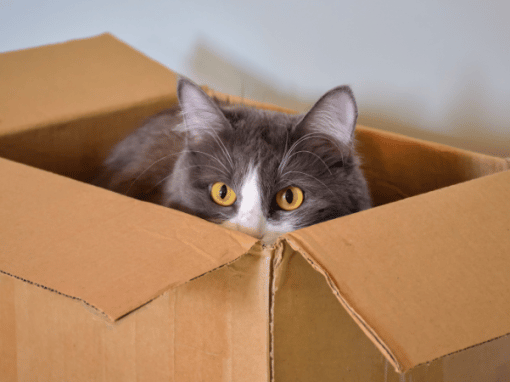
Every cat needs places to retreat and feel safe. Cardboard boxes, covered beds, and igloo-style cat houses all serve this purpose. Cats that have access to hiding spots are generally less stressed and more confident than those that do not.
Window Access
“Cat TV” — watching birds, insects, and movement through a window — is one of the simplest and most effective forms of enrichment. Place a comfortable perch near a window with a garden view, and consider installing a bird feeder outside for maximum entertainment.
Scratching Surfaces
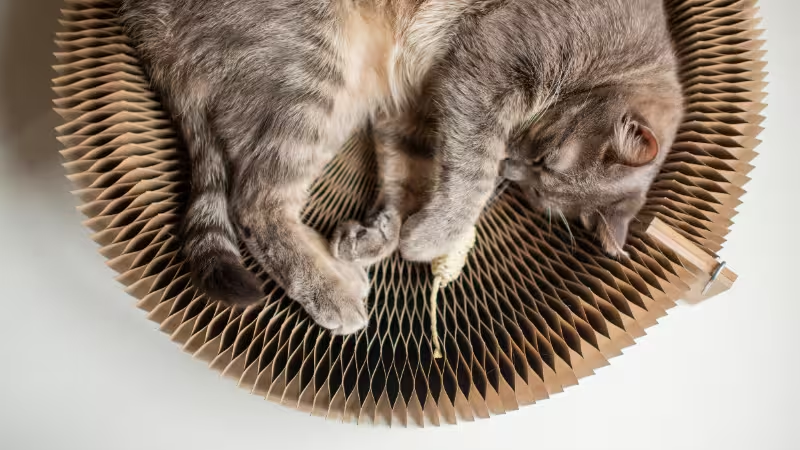
Scratching is a natural behaviour that serves multiple purposes: claw maintenance, stretching, and territorial marking. Provide multiple scratching posts in different materials (sisal, cardboard, carpet) and orientations (vertical and horizontal). Place them in prominent locations — cats scratch to communicate, so a scratching post hidden in a corner serves no social function.
Interactive Play
Interactive play is the single most important enrichment activity for indoor cats. It mimics hunting behaviour and provides both physical exercise and mental stimulation.
Wand toys are the gold standard. They trigger the full hunting sequence: stalk, chase, pounce, catch. Move the toy like prey — erratic, unpredictable movements along the ground and through the air. Let your cat catch and “kill” the toy regularly to prevent frustration.
Laser pointers provide chase stimulation but can frustrate cats because there is nothing to catch. Always end a laser session by directing the dot onto a physical toy or treat that your cat can capture.
Aim for at least two play sessions per day, 10 to 15 minutes each. For choosing the right toys, variety matters more than expense.
Puzzle Feeders and Food Enrichment
Cats are designed to work for their food. Dumping kibble in a bowl eliminates an entire category of natural behaviour. Puzzle feeders — from simple treat balls to complex multi-stage puzzles — make your cat think, manipulate, and problem-solve to access food.
Start simple and increase difficulty as your cat improves. You can also scatter kibble around the house for your cat to find, simulating a foraging experience. This is free, easy, and genuinely enriching.
Training as Enrichment
Many people do not realise that cats can be trained, and that training provides excellent mental enrichment. Teaching your cat tricks, commands, or even practical skills like coming when called gives them a cognitive workout and strengthens your bond. Our beginner’s guide to cat training covers the fundamentals.
Breeds with high intelligence like Bengals particularly benefit from training as enrichment, but any cat can learn basic behaviours with patience and the right motivation.
Outdoor Access Without Free-Roaming
If you want to give your indoor cat some outdoor experience without the risks of free-roaming, consider these options:
- Catios — enclosed outdoor spaces attached to a window or door. They provide fresh air, sunlight, and new sensory experiences in a safe environment.
- Lead training — some cats take well to walking on a lead. This provides supervised outdoor access and excellent exercise.
- Enclosed gardens — cat-proof fencing or netting can make your garden safe for supervised outdoor time.
Signs Your Cat Needs More Enrichment
Watch for these indicators that your cat’s environment is not stimulating enough:
- Over-grooming or bald patches
- Excessive meowing or vocalisation
- Destructive scratching on furniture
- Biting during play or handling
- Weight gain from inactivity
- Aggression towards other cats or humans
- Sleeping excessively (even for a cat)
If your cat is showing several of these signs, increasing enrichment should be your first response before considering medical or behavioural intervention.
Final Thoughts
Enrichment does not need to be expensive or complicated. A cardboard box, a wand toy, a puzzle feeder, and some vertical space will transform your indoor cat’s quality of life. The key is variety and consistency — rotate toys, change feeding locations, and make interactive play a non-negotiable part of your daily routine. For tips on managing nighttime activity in energetic indoor cats, see our dedicated guide.