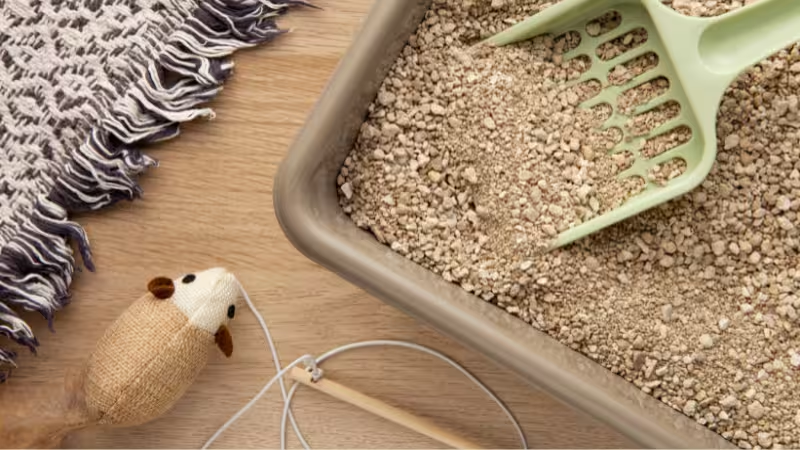
Bringing home a kitten is exciting, but toilet accidents can quickly take the shine off those first few weeks. The good news is that most kittens are naturally inclined to use a litter tray because cats prefer to eliminate in a loose, diggable surface and then cover it up. “Training” is often less about teaching a brand-new skill and more about setting your kitten up with the right environment, the right routine, and the right support so the instinct kicks in.
This guide walks you through everything you need to litter train your kitten confidently, including how to choose a litter tray, where to place it, how to introduce it, and what to do if things go sideways.
Table of Contents
Why Most Kittens Learn Quickly
Instinct does a lot of the heavy lifting
Cats are naturally clean animals. Many kittens learn by watching their mother and littermates, and they’ll often seek out a sandy or soil-like surface to do their business. When you provide a tray that feels safe, accessible and appealing, many kittens simply start using it.
A new home can interrupt good habits
Even if a kitten has used a tray before, moving house can cause slip-ups. New smells, new floors, different litter, different tray shapes, other pets, noise, and changed routines can all affect bathroom behaviour. Your job is to keep the setup consistent and easy so your kitten doesn’t have to “figure it out” under stress.
When to Start Litter Training
The typical age window
Most kittens can start using a shallow litter tray once they’re mobile and beginning to wean. Many kittens begin transitioning at around the 3–4 week mark, although pet owners usually adopt kittens later than that. If your kitten is already 8–12 weeks old, you can start immediately.
Very young kittens need a different approach
If you’re caring for a very young kitten that still needs help toileting, they may need gentle stimulation to wee and poop before they’re developmentally ready for a tray. Once they begin weaning and moving confidently, you can introduce a shallow tray and let them practise with supervision.
Choose the Right Litter Tray Setup
Tray size and shape matter
Pick a tray your kitten can get into easily. Low sides help small kittens climb in without hesitation. At the same time, the tray should offer enough internal space for your kitten to turn around, scratch, and cover properly. If the tray feels cramped, some kittens will stand with their back end over the edge or avoid it altogether.
How many trays should you have?
If you have more than one cat, multiple trays reduce conflict, guarding, and “I can’t get there in time” accidents. Even in a one-kitten home, an extra tray can help during the early weeks, especially if your home has multiple levels.
Litter type and texture
Many cats prefer a fine-grain litter that feels like sand or soil under their paws. Unscented options are often better tolerated than strong perfumes, which can be off-putting to a sensitive feline nose. If your kitten came from a breeder, shelter, or foster home, start with the same litter type they used there, then transition slowly if you want to change later.
How deep should the litter be?
A generous layer encourages digging and covering. If the litter is too shallow, your kitten may struggle to bury waste; too deep and very young kittens may feel unstable. Aim for a comfortable depth that allows natural scratching and covering.
Put the Litter Tray in the Right Place
Quiet, private, and easy to reach
Cats don’t like eliminating where they feel exposed. Choose a calm spot away from loud appliances, heavy foot traffic, and sudden noises. Accessibility matters too: if your kitten has to navigate closed doors, steep stairs, or a gauntlet of other pets, they may choose a quicker option such as a corner behind a couch.
Keep food and water separate
Most cats prefer their toilet area away from where they eat and drink. If the tray is placed right next to food bowls, some kittens will avoid the tray because it feels unhygienic to them.
Avoid constant moving
Once your kitten is learning, keep the tray location stable. Frequent changes can confuse them and trigger accidents. If you do need to move it, shift it gradually over a few days rather than relocating it in one jump.
Step-by-Step: How to Litter Train Your Kitten
Set up a “starter space”
In the first few days, consider limiting your kitten to one safe, kitten-proofed room (or a smaller area) with the tray nearby. This reduces the chance of accidents while they learn where “the toilet” is in your home.
Introduce the tray gently
Place your kitten in the tray at calm moments so they can sniff and explore. If they jump out, that’s fine—this is about familiarity, not forcing.
Use predictable timing
Kittens often need the toilet after waking up, after play, and after eating. Calmly place your kitten in or near the tray during these natural “bathroom times”. If they use it, give immediate gentle praise.
Reward the right outcome
Positive reinforcement builds strong habits. Keep rewards simple and immediate: a soft voice, affection, or a small treat can help your kitten connect “tray use” with good things. The key is timing—reward straight after they use the tray, not five minutes later.
Keeping the Litter Tray Appealing
Cleanliness is not optional
Many cats will reject a dirty tray. Scoop waste frequently, top up as needed, and replace litter on a schedule that keeps odours under control. Wash the tray regularly using mild soap and water and avoid harsh chemicals or strong-smelling cleaners that may deter your kitten.
Make the tray easy to use
If you’re using a covered tray or a tray with a flap, consider starting without the lid or door while your kitten is learning. Some kittens find enclosed spaces intimidating, and poor ventilation can trap smells that make the tray less appealing.
What to Do When Accidents Happen
Don’t punish your kitten
Punishment can create fear and confusion and may make your kitten hide when they need the toilet. Accidents are information: they tell you the setup, routine, or health status needs attention.
Clean properly so the smell doesn’t “mark the spot”
If a kitten toilets outside the tray, clean the area thoroughly with an enzymatic cleaner designed for pet mess. If any smell remains, your kitten may return to the same spot.
Reset the environment
If accidents keep happening, reduce your kitten’s roaming area again and place an extra tray closer to where they’re choosing to go. This is especially helpful in larger homes or homes with stairs.
Review the basics that commonly cause problems
A tray that is hard to reach, too small, too dirty, in a noisy location, or filled with litter that feels uncomfortable underfoot can all lead to accidents. Changes in the home, new pets, and stress can also affect bathroom behaviour.
Troubleshooting: Common Litter Training Challenges
Your kitten avoids the tray entirely
This often comes down to access, texture, or fear. Ensure the sides are low enough, the location is calm, and the litter is comfortable. If you recently changed litter type, go back to the previous one and transition more slowly.
Your kitten uses the tray sometimes, but not always
Intermittent accidents can happen when kittens are distracted, playing intensely, or sleeping deeply and waking up urgently. Add an extra tray closer to the main activity area and reinforce the routine after meals and naps.
Your kitten perches on the edge or misses the tray
This can happen if the tray is too small or the litter level is too low to allow comfortable digging and positioning. A larger tray can make a big difference.
Multi-cat homes and litter tray tension
Some cats guard resources, including trays. Extra trays in separate areas can reduce conflict. Place trays so that one cat can’t “ambush” another on the way in or out.
When to Speak to a Vet
Toileting issues can be medical, not behavioural
If your kitten suddenly stops using the tray, strains, cries in the tray, has diarrhoea, pees very frequently, passes blood, or seems unwell, contact your vet promptly. Painful urination or tummy trouble can make a kitten associate the tray with discomfort, leading to avoidance.
Early support prevents long-term habits
The sooner you address an ongoing issue, the easier it is to fix. A quick check-up can rule out infection, parasites, constipation, or other conditions that affect bathroom habits.
Helping Your Kitten Build Lifelong Good Habits
Consistency creates confidence
Kittens thrive on predictable routines. Keep tray location stable, cleaning consistent, and reinforcement positive. As your kitten grows, you can adjust tray size and placement while keeping the “rules” familiar.
Make the home feel safe
A calm environment supports good bathroom behaviour. Gentle handling, adequate play, quiet resting spaces, and gradual introductions to other pets all help reduce stress-related accidents.