The Africanis dog is South Africa’s best-kept secret — a naturally evolved landrace breed that has lived alongside Southern African communities for over a thousand years. Unlike pedigrees shaped by Victorian show rings, the Africanis dog was moulded by the land itself, producing a healthy, intelligent, and deeply loyal companion suited to South African life.
If you’re considering an Africanis dog, or you already share your home with one, this guide covers everything you need to know — from origin and temperament to price, training, and why this breed deserves far more recognition than it currently gets.
What Is the Africanis Dog?
The Africanis is not a modern designer breed. It’s the indigenous dog of Southern Africa, descended from ancient canines that travelled south with Iron Age pastoralists around 300–600 AD. For centuries it lived as a village and hunting dog alongside the Zulu, Xhosa, Tswana, Sotho, and Khoisan people, adapting naturally to the climate, terrain, and lifestyle of the region.
In 1998, the Africanis Society of Southern Africa was founded to preserve the breed’s natural integrity. The Africanis is recognised by the Kennel Union of Southern Africa as an aboriginal landrace — meaning no artificial selection has been used to shape it, and natural selection has produced a remarkably healthy and balanced dog.
Africanis Dog Breed Appearance
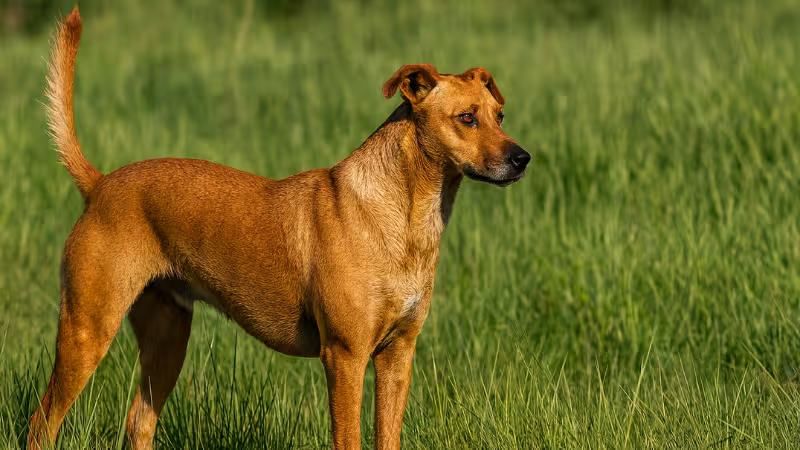
There is no single “look” to an Africanis dog. Because natural selection — not fashion — shaped the breed, you’ll see wide variation in coat, colour, and size. That said, there are common traits:
- Size: Medium build, typically 50–60 cm at the shoulder, weighing 25–45 kg
- Coat: Short, dense, and low-maintenance
- Colour: Almost every shade — tan, brindle, black, white, spotted, and the distinctive Africanis dog black variant
- Build: Lean, athletic, and well-proportioned with a noble, alert expression
Ridges along the back are occasionally seen, hinting at the shared ancestry between the Africanis and the Rhodesian Ridgeback.
Africanis Dog Temperament
Africanis dog temperament is one of the breed’s greatest strengths. These dogs are:
- Intelligent and independent — they think for themselves
- Deeply loyal to their family without being clingy
- Naturally protective but not aggressive by default
- Gentle with children they’ve grown up with
- Quietly reserved with strangers until trust is established
Unlike many modern breeds bred for a single function, the Africanis is a balanced all-rounder. They’re as happy guarding a smallholding as they are curled up on the couch. Their independence means they don’t require constant human attention — but it also means training takes patience and consistency.
Training an Africanis Dog
The Africanis responds best to respect-based training. Harsh methods fail quickly with this breed — they shut down or simply refuse. Positive reinforcement dog training is the gold standard here: reward-based, consistent, and built on mutual trust.
Start training early. Puppy socialisation matters enormously for an Africanis dog puppy — their reserved nature with strangers can become fearfulness without proper exposure. Our guide to socialising your puppy walks through the critical 3–16 week window in detail.
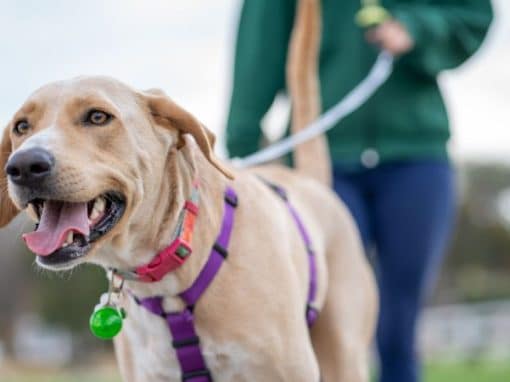
Because the Africanis is a natural rover, leash training for dogs is non-negotiable. And before fine-tuning, it helps to avoid the common dog training mistakes that trip up first-time owners.
Health and Lifespan
Thanks to natural selection, the Africanis dog is exceptionally healthy. The breed has none of the inherited problems that plague many pedigree dogs — no hip dysplasia crisis, no brachycephalic breathing issues, no sensitive skin conditions.
Africanis dog lifespan is typically 10–14 years, with many reaching 15 when well cared for. Routine veterinary care is straightforward; keep up with dog vaccinations, parasite control, and a good-quality diet.
Africanis Dog Price and Adoption
Africanis dog price varies widely. Because the breed is not commercially bred at scale, you’re more likely to find them through rescue organisations and shelters than traditional breeders. The SPCA and rural shelters across South Africa are often full of Africanis and Africanis-cross dogs looking for homes.
If you do find reputable Africanis dog breeders, expect to pay R2,000–R5,000 for a puppy — a fraction of what pedigree breeds command. Most responsible enthusiasts will direct you to adoption first, since the breed thrives in almost any home.
The National Council of SPCAs is a good starting point for finding an Africanis to adopt.
Is the Africanis Right for You?
The Africanis dog suits owners who want a healthy, low-maintenance, loyal companion without the health baggage of over-bred pedigrees. They’re ideal for:
- Active households that can provide daily exercise
- Homes with secure gardens — they’re roamers by nature
- Owners who respect independence and won’t smother the dog
- Anyone who values heritage, resilience, and a genuine South African breed
If you’re weighing options, compare the Africanis against other favourites in our roundup of top dog breeds in South Africa. You may find the indigenous option ticks more boxes than you expected.
Final Word
The Africanis dog is a living piece of Southern African heritage — healthy, intelligent, loyal, and genuinely adapted to our climate and lifestyle. Choosing one isn’t just about getting a dog; it’s about supporting the preservation of a breed that was almost lost to Western pedigree obsession. Give an Africanis a home, train with patience, and you’ll gain one of the most rewarding companions a South African household can have.