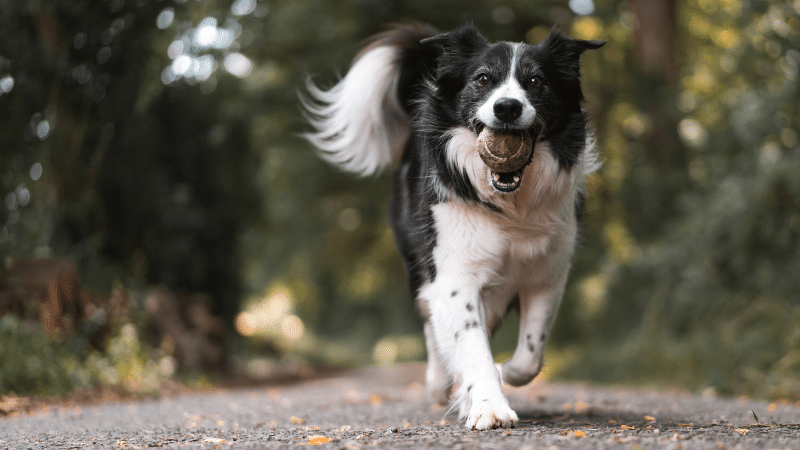
Dog obedience training is one of the most valuable things you can do for your dog and for yourself. A dog that responds reliably to cues is safer, easier to live with and more confident in the world. Professional training speeds that process up considerably, and understanding why it works helps you get the most from it.
What Dog Obedience Training Actually Covers
The basics, sit, stay, come, down and heel, are the foundation, but obedience training goes well beyond five commands. It teaches your dog to pay attention to you in different environments, to stay calm under stimulus, and to understand what you expect in everyday situations.
A dog that sits perfectly in your kitchen but ignores you at the park has not really learned to sit. It has learned to sit in quiet rooms. Good trainers work on generalisation: building responses that hold up under distraction, in new places, around unfamiliar people and animals.
Why Professional Training Makes a Difference
Most owners genuinely want to train their dogs well. The gap between intention and result is rarely motivation, it is timing, consistency and technique. A professional can pinpoint the exact moment a reward or cue lands, often within a quarter of a second, and that precision is what separates a reinforced behaviour from a confused one.
Trainers also spot patterns that owners are too close to see. If your dog reacts on the lead, there is usually a trigger sequence unfolding well before the outburst. The trainer reads it early. The owner often only sees the explosion.
Group Classes vs Private Sessions
Both have merit, and the right choice depends on your dog and your goals.
Group classes combine training with structured socialisation. Your dog learns to work around other dogs and people, which is exactly the kind of real-world distraction that matters. They are also more affordable and build a useful sense of accountability. Pairing classes with good puppy socialisation early on pays off for years.
Private sessions suit dogs with specific issues such as aggression, severe anxiety or reactivity, dogs too distracted to learn in a group, or owners who want tailored guidance. A good trainer will tell you honestly which route fits your dog.
The Role of Positive Reinforcement
Modern professional training is largely built on positive reinforcement, rewarding the behaviour you want rather than punishing what you do not. This is not soft or indulgent, it is the approach the science consistently backs. The American Veterinary Society of Animal Behavior’s position statements are clear that reward-based methods produce faster learning and fewer anxiety-related side effects than punishment. Many owners find that adding a marker, which is why people ask whether dog training clickers work, sharpens their timing further.
Common Mistakes Professional Training Prevents
Most training failures trace back to a short list of repeatable errors. Professional guidance helps you avoid the usual dog training mistakes:
- Inconsistency: different rules from different family members confuse a dog fast.
- Delayed consequences: rewarding or correcting several seconds late teaches the dog nothing useful.
- Asking too much too soon: expecting a heel past other dogs before the dog can heel in the garden.
- Skipping the foundations: rushing to advanced work before attention and impulse control are solid.
How Long Does Obedience Training Take?
There is no fixed timeline, because it depends on the dog’s age, the consistency of practice and the behaviours you are working on. A young puppy can pick up a reliable sit in a few short sessions, while reshaping an entrenched habit in an adult dog takes weeks of patient repetition. The honest answer is that obedience training never really finishes. Cues need maintaining, and a dog that is not practised occasionally gets rusty just like anyone else. The good news is that the work compounds: every session builds your dog’s ability to focus and learn, so later behaviours come faster than the first ones did. Short, frequent sessions of five to ten minutes beat occasional long ones, which tire the dog and erode the fun that keeps learning effective.
Getting Started
You do not have to choose between professional help and doing the work yourself. The best results come from combining the two: a trainer sets the plan and corrects your technique, and you put in the daily repetitions at home. Start with the basics, keep sessions short and upbeat, and build difficulty gradually. Strong leash training is a natural early goal that makes everyday life easier. Whether you choose group classes or private sessions, consistent obedience training is one of the best investments you can make in a calm, confident, well-mannered dog.