A collar is one of the first things you will buy for a new dog, and it is easy to grab the nearest option off the shelf. Yet the right collar does far more than look good. It carries your dog’s identification, gives you control on walks and, if it fits poorly or is made from the wrong material, it can cause real discomfort or even injury. Before you buy, it is worth pausing to consider what your dog actually needs. Here are five things to weigh up when choosing a dog collar.
1. Get the Fit Right
Fit is the single most important factor. A collar that is too loose can slip over your dog’s head and let them escape near traffic, while one that is too tight restricts breathing and rubs the skin raw. The classic guideline is the two-finger rule: you should be able to slide two fingers comfortably between the collar and your dog’s neck, and no more.
Puppies grow quickly, so check the fit every couple of weeks and adjust or replace the collar as needed. For breeds with necks wider than their heads, such as many sighthounds, a martingale collar offers a safer, escape-resistant fit without choking.
2. Choose the Right Material
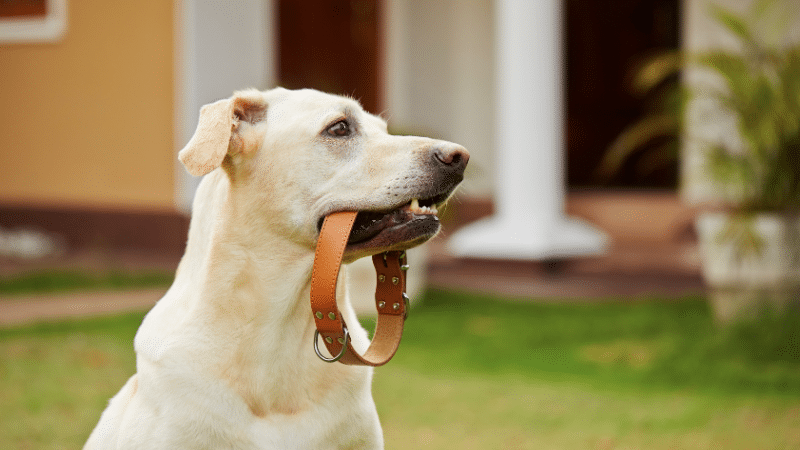
Collar material affects comfort, durability and how much upkeep is required. Nylon is affordable, lightweight and available in countless colours, but it can hold moisture and odour. Leather is durable, softens with age and is gentle on the coat, though it needs occasional conditioning and does not suit dogs who love to swim. Biothane, a coated webbing, has become popular in South Africa because it is waterproof, easy to clean and tough enough for active, outdoorsy dogs.
Whatever you choose, inspect the hardware. Cheap buckles and welded rings are common failure points, so look for solid, rust-resistant fittings that match your dog’s size and strength.
3. Match the Collar Type to the Purpose
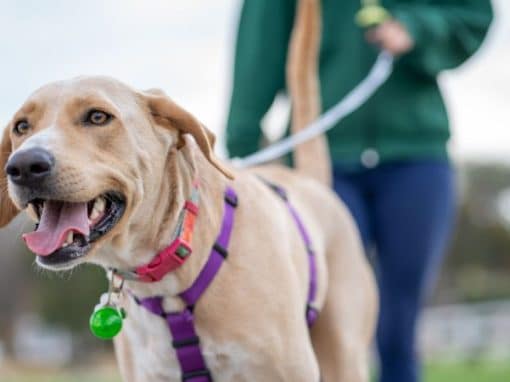
Not every collar is designed for the same job. A flat buckle collar is the everyday standard and the best place to hang an ID tag. A martingale suits escape artists. A harness, rather than a collar, is often the kinder choice for dogs that pull hard or have delicate airways, since it spreads pressure across the chest instead of the throat. If your dog pulls on the lead, pairing the right equipment with proper leash training will do far more than any single gadget, and a well-fitted harness can take the strain off the neck entirely.
Aversive tools such as shock, prong and choke collars deserve a firm word of caution. Leading veterinary behaviour bodies advise against them because they work through pain and fear, can worsen anxiety and often damage the bond between dog and owner. Reward-based methods rooted in positive reinforcement are safer and more effective for lasting results.
4. Prioritise Identification and Safety
A collar is your dog’s first line of return if they ever go missing. Attach a sturdy ID tag engraved with your phone number, and treat it as essential rather than optional. In South Africa a collar tag pairs well with a permanent microchip, which cannot fall off or fade. For dogs walked in low light, a reflective or LED collar adds a valuable layer of visibility on dusky suburban streets.
Safety also means removing risk indoors. If your dog is crated or plays roughly with other dogs, consider a breakaway collar that releases under pressure to prevent choking accidents.
5. Consider Your Dog’s Breed, Size and Lifestyle
A collar that suits a Chihuahua will not serve a Boerboel, and vice versa. Large, powerful breeds need wider collars with heavy-duty hardware to distribute pressure and withstand force, while toy breeds need lightweight, narrow collars that do not weigh them down. Coat type matters too, as long-haired dogs can develop matting under a rough collar. If you are still deciding which dog is right for your home, our guide to the top dog breeds in South Africa is a useful starting point.
Finally, factor in how your dog lives. Active dogs that hike and swim need rugged, waterproof collars, while a mostly indoor companion can wear something softer and more decorative.
Final Thoughts
Choosing a dog collar comes down to fit, material, type, identification and your dog’s individual needs. Take a few minutes to measure your dog’s neck, think about their daily routine and check the collar regularly for wear. A well-chosen collar keeps your dog comfortable, safe and easy to identify, which is exactly what every responsible owner wants.