Why Breed Matters When Choosing a Cat
Breed isn't everything when it comes to cats, but it's a useful starting point for understanding what kind of companion you're likely to get. Different breeds have been selectively developed over generations for specific temperaments, activity levels, and coat types — and while individual personality always varies, breed tendencies are real and worth knowing before you commit to a cat for the next 15 years.
In South Africa, most cats are domestic short or longhairs of mixed breed — and they make wonderful pets. But for those considering a pedigree cat, here's a practical guide to the most popular breeds and what living with them actually looks like. For a South Africa-specific view of availability and popularity, also check out our overview of cat breeds in South Africa.
Popular Cat Breeds and Their Traits
Persian
The Persian is among the most recognisable cat breeds in the world — flat-faced, with a dense, flowing coat and a calm, gentle temperament. Persians are quiet, undemanding, and content to spend their days indoors. They're not particularly playful or energetic, which suits owners who want a serene, decorative companion rather than an interactive one.
The trade-off is grooming. Persian coats mat easily and require daily brushing to keep them in good condition. Their flat faces also predispose them to breathing difficulties, eye discharge, and dental crowding. If you choose a Persian, be prepared for regular grooming sessions and more frequent vet visits than most other breeds.
Maine Coon
The Maine Coon is one of the largest domestic cat breeds and one of the most dog-like in personality. They're sociable, playful, curious, and enjoy being involved in household activity. Maine Coons are known for their chirping vocalisations, their love of water, and their tendency to follow their people around the house.
They're a particularly good choice for families and multi-pet households. Their relaxed, confident temperament means they typically get along well with other cats and even with dogs. The coat is semi-longhaired and easier to maintain than a Persian's, though weekly brushing is still recommended.
Siamese
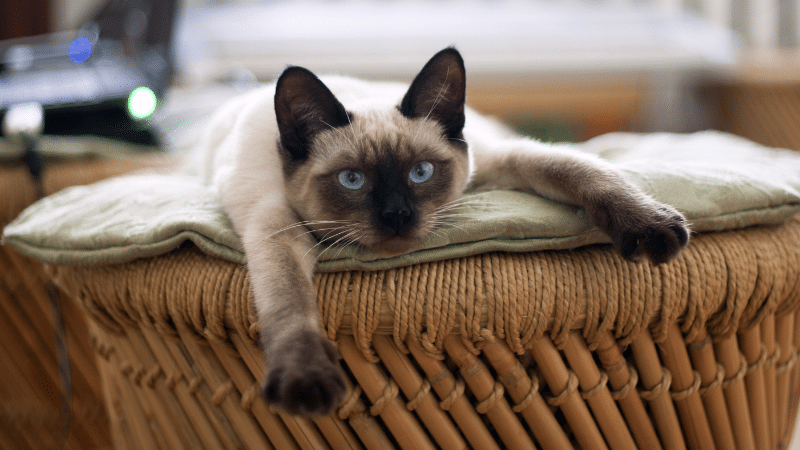
The Siamese is the opposite of the Persian in almost every way — vocal, energetic, demanding, and intensely social. Siamese cats need attention and interaction; they don't cope well with long periods alone and can become anxious or destructive without adequate stimulation. They communicate loudly and frequently, and their voices have a distinctive, penetrating quality.
That said, for owners who want an engaged, interactive companion, the Siamese is hard to beat. They're highly intelligent, trainable, and bond deeply with their people. Understanding how to enrich an indoor cat's environment is particularly relevant for Siamese owners, who need to provide mental stimulation to keep this breed content.
Bengal
The Bengal cat is a hybrid breed with Asian leopard cat ancestry, and it shows in their striking spotted or marbled coat and wild-looking physique. Bengals are highly active, athletic, and intelligent — they climb, jump, play intensively, and need significant daily stimulation.
They're not a breed for everyone. Bengals that don't get enough physical and mental exercise can be destructive. They often enjoy water, have a strong prey drive, and can be vocal. For experienced cat owners who can provide a stimulating environment and invest time in play, Bengals are rewarding companions. For busy owners wanting a low-maintenance cat, they're likely to be a frustrating choice.
Ragdoll
Ragdolls are large, semi-longhaired cats known for going limp when picked up — hence the name. They're exceptionally gentle, calm, and affectionate, tolerating handling well and generally getting along with children, other cats, and dogs. Ragdolls are quiet compared to Siamese, and they're not particularly active or demanding.
For families or first-time cat owners looking for a predictably easygoing breed, the Ragdoll is often an excellent choice. They do require regular coat brushing and their gentle nature means they should be kept as indoor cats — they lack the street-smart wariness needed to navigate outdoor risks safely.
Birman
The Birman is a semi-longhaired, colour-pointed breed with distinctive white "gloves" on all four paws. Birmans sit between the relaxed Ragdoll and the active Siamese in terms of energy — they're playful and curious, but not exhausting. They're sociable and affectionate without being clingy.
The Birman's silky coat is easier to maintain than a Persian's — it doesn't mat as readily. This makes them a practical option for owners who want a beautiful, longhaired cat without the intensive grooming commitment.
Key Questions to Ask Before Choosing a Breed
Before settling on any specific breed, think honestly about your lifestyle and what you can offer:
- How much time are you home? Highly social breeds like Siamese struggle with solitude. Less social breeds like Persians manage it better.
- How active is your household? High-energy breeds like Bengals need outlets. Quieter households suit calmer breeds.
- Do you have children or other pets? Some breeds are more tolerant than others. Research specific breed compatibility before assuming all cats are the same.
- How much grooming are you willing to do? Longhaired breeds need consistent attention. Short-haired breeds are generally more forgiving.
- What's your experience level? First-time cat owners are usually better served by more easygoing breeds like Ragdolls than by complex, high-maintenance breeds like Bengals or Siamese.
Feeding and Nutrition Across Breeds
Nutritional needs don't vary dramatically by breed, but size, activity level, and coat type can influence what your cat needs. High-activity breeds benefit from higher-protein diets that support muscle maintenance. Longhaired breeds may benefit from omega-rich foods or supplements that support coat health. Understanding what cats like to eat — and what's actually good for them — is a worthwhile baseline regardless of breed.
All cats, regardless of breed, are obligate carnivores. A quality, meat-based diet — wet food, dry food, or a combination — tailored to their life stage is the foundation of good health. For breed-specific guidance, your vet remains the best resource.
The right breed for you is the one that fits your actual life — not your idealistic version of it. Spend time researching, speak to breed owners, and if possible, spend time with the breed before committing. A good match makes for a deeply rewarding relationship; a poor match makes for a frustrated owner and a stressed cat.