South Africa has a healthy cat culture, and while the country doesn't have indigenous domestic cat breeds like some other regions, a wide range of international breeds have firmly established themselves here. Whether you're looking for a laid-back family companion, a high-energy active cat, or something more unusual, you'll find breeders and rescue organisations working with most major breeds.
Popular Cat Breeds in South Africa
Persian
Persians remain one of the most popular breeds in South Africa. They're calm, gentle, and well-suited to indoor life — which makes them ideal for flat and complex living. Their long coat requires daily grooming to prevent matting, and their flat face (brachycephalic structure) means they can have breathing and eye issues. If you're adopting a Persian, go to a reputable breeder who screens for these conditions.
Maine Coon
The Maine Coon is one of the largest domestic cat breeds, known for its tufted ears, bushy tail, and dog-like personality. They're playful, sociable, and get along well with children and other pets. Maine Coons thrive with space and stimulation — they don't do well confined to a small flat without enrichment activities to engage them.
Bengal
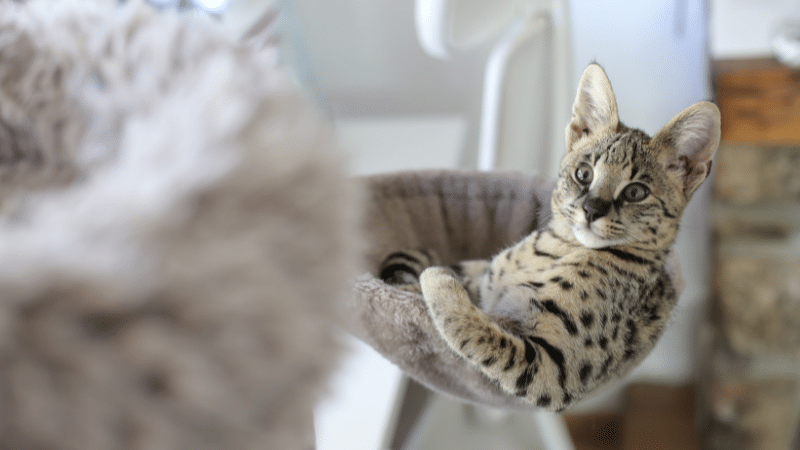
Bengal cats are visually striking — their spotted or marbled coat is a legacy of their Asian Leopard Cat ancestry. But their appearance is the easy part. Bengals are high-energy, highly intelligent, and demand engagement. They're not a breed for passive ownership. Boredom produces destructive behaviour quickly. If you have the time and enthusiasm for an active, demanding cat, they're exceptional. If you want something that sleeps most of the day, look elsewhere.
Birman
The Birman is a medium-to-large breed with a silky coat, deep blue eyes, and distinctive white "gloves" on each paw. They're affectionate and gentle without being needy — a cat that enjoys company but doesn't demand constant attention. Birmans tend to be quieter than many breeds and adapt well to family life, including households with children.
Siamese
The Siamese is one of the oldest recognised cat breeds and remains popular locally. They're vocal — some would say persistently so — and form intense bonds with their primary person. Siamese cats are not suited to being left alone for long periods; they need interaction and engagement. Their short coat requires minimal grooming, which is one less commitment in an otherwise high-maintenance relationship.
Ragdoll
Ragdolls are named for their tendency to go limp when picked up — a genuine trait, not a myth. They're large, gentle, and exceptionally tolerant, making them well-suited to households with children or dogs. They're indoor cats through and through; they lack the street instinct of more independent breeds and shouldn't be allowed to roam unsupervised.
What to Consider When Choosing a Breed
Breed aesthetics shouldn't be the deciding factor. The cats that end up in rescue organisations are often there because the owner chose based on appearance alone. Consider:
- Activity level: A high-energy Bengal in a small flat with an owner who works long hours is a recipe for problems.
- Grooming requirements: Long-haired breeds (Persian, Maine Coon, Birman) need daily brushing. If this isn't realistic, choose a short-haired breed.
- Social needs: Some breeds suffer when left alone (Siamese, Ragdoll). Others are more independent.
- Other pets and children: Breed temperament matters — Bengals can be territorial, while Birmans and Ragdolls are generally more accepting.
Dietary needs are also breed-specific. What cats like to eat varies with age, size, and activity level — a large, active Maine Coon needs considerably more nutrition than a small indoor Persian.
Adoption vs. Breeder
Many of the breeds above can be found in South African rescue organisations and shelters, not just breeders. Mixed-breed domestic cats also make wonderful companions — often hardier and less prone to the genetic conditions that affect some purebred lines. If you have a specific breed in mind, research reputable breeders who health-test their cats, and be cautious of anyone who has multiple breeds always available or dismisses health screening as unnecessary.
Whatever breed you choose, an enriching home environment is non-negotiable. Indoor cat enrichment — climbing structures, puzzle feeders, interactive play sessions — is what keeps any breed mentally healthy and well-behaved over the long term. The breed determines the personality; the environment determines how well that personality develops.