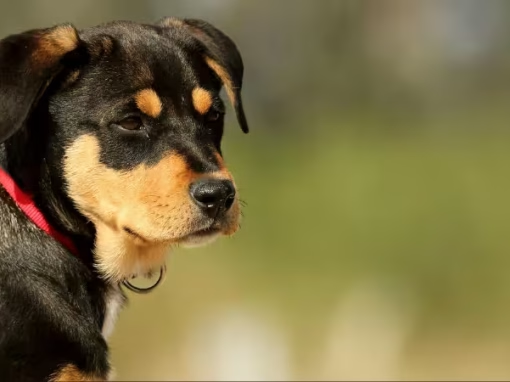
Why Dog Walking Is Non-Negotiable
Walking your dog is one of the most important things you can do for their health and happiness. Beyond burning energy, a good walk stimulates your dog's brain, exposes them to new scents and sounds, and reinforces your bond. Dogs that miss regular walks often develop unwanted behaviours — excessive barking, destructive chewing, or anxiety. The walk isn't a luxury; it's a basic need.
For South African dog owners, walking comes with its own considerations: hot pavement in summer, unpredictable weather, and varied neighbourhood safety. With the right approach, none of these are obstacles.
Getting the Equipment Right
The gear you use makes a real difference, both for control and your dog's comfort.
Collar vs Harness
A flat collar works well for most dogs that walk nicely on lead. If your dog pulls, lunges, or has any trachea issues, a dog harness distributes pressure more evenly across the chest and reduces strain on the neck. Front-clip harnesses are particularly useful for pullers — the lead attaches at the chest, gently redirecting forward momentum instead of rewarding it.
When choosing a collar, there are a few key factors to consider — read more about choosing a dog collar for guidance on fit, material, and safety features.
Lead Length and Type
A standard 1.2 to 1.8-metre lead gives you control without restricting your dog too much. Retractable leads might seem convenient, but they give dogs inconsistent feedback and make it harder to manage them in busy areas. For leash training, stick to a fixed-length lead until your dog has solid loose-lead manners.
Teaching Your Dog to Walk Properly
A well-behaved dog on lead doesn't happen automatically — it takes consistent training. The goal is loose-lead walking: your dog moves beside you without pulling, weaving, or stopping every few metres.
Start Before You Leave the House
Many dogs become so excited at the sight of the lead that they're already in an over-aroused state before the door opens. Practice putting the lead on, waiting for calm behaviour, and only proceeding when your dog is settled. This alone dramatically reduces pulling at the start of a walk.
Reward the Right Position
Positive reinforcement training works exceptionally well for loose-lead walking. Keep small treats on hand and reward your dog frequently when they're walking beside you with a slack lead. If they pull, stop moving entirely. The moment tension releases, mark it and reward. Your dog learns quickly that pulling gets them nowhere, but walking nicely gets them forward — and treats.
The Change Direction Technique
If stopping isn't enough, try randomly changing direction. When your dog pulls ahead, turn and walk the other way without warning. They'll catch up, and you reward them when they do. After a few repetitions, most dogs start paying more attention to where you're going rather than charging ahead on their own agenda.
Walk Duration and Frequency
How much exercise a dog needs depends on their breed, age, and health. A high-energy working breed like a Rhodesian Ridgeback needs substantially more exercise than a smaller companion breed. As a general guide:
- Puppies: Short, frequent walks — roughly 5 minutes per month of age, twice daily. Too much pavement walking can stress developing joints.
- Adult dogs: Most need a minimum of 30–60 minutes of walking per day, split into at least two sessions.
- Senior dogs: Shorter, gentler walks are better. Watch for signs of fatigue or joint discomfort and adjust accordingly.
Walking Safely in South Africa
Hot Pavement and Heat
South African summers are brutal, and tar roads absorb heat rapidly. If you can't hold the back of your hand comfortably on the pavement for five seconds, it's too hot for your dog's paws. Walk early morning or after sunset during the summer months — this also reduces the risk of heatstroke. If your dog is regularly walking on rough terrain, consider looking into dog shoes for paw protection.
Wildlife and Environmental Hazards
Depending on where you live, walks can bring encounters with snakes, insects, thorny vegetation, or other animals. Keep your dog close in unfamiliar areas, watch where they're sniffing, and check their paws and coat for ticks after walks through long grass. Knowing how to handle dog paw problems is worthwhile for any South African pet owner who walks regularly in natural environments.
Meeting Other Dogs
Not every dog wants to be greeted on lead, and not every owner reads the signs correctly. Don't let your dog rush up to others on a tight lead — this creates tension and can trigger reactivity. Ask the other owner before allowing interaction, and if your dog tends to be excitable or reactive with other dogs, work on socialising your puppy from an early age to build better habits.
Common Walking Problems and How to Address Them
Excessive pulling: Use a front-clip harness and reward-based training consistently. Don't fall back on yanking — it creates frustration without teaching anything useful.
Refusing to walk: Some dogs stop dead and won't budge. This is usually fear or overstimulation. Identify the trigger and work on gradual desensitisation. Never drag a reluctant dog — you'll make the association worse.
Reactive barking at other dogs or people: This is a nuanced issue that benefits from professional guidance. Look into professional dog training if reactivity is affecting your walks significantly.
Eating everything off the ground: Teach a solid "leave it" command and keep your dog on a short lead in areas with rubbish. In South Africa, littered areas can contain genuinely hazardous items — be vigilant.
Making Walks More Enriching
Walks aren't just about distance — mental stimulation matters as much as physical exercise. Let your dog sniff. Sniffing engages your dog's brain and tires them out in a way that brisk walking alone doesn't. Allow controlled time to explore scents along the way rather than marching along at human pace the whole time.
Vary your routes regularly. New environments, new smells, and new sights provide the kind of enrichment that keeps dogs mentally sharp. If your dog enjoys it, off-lead time in a safe, enclosed area is a valuable addition to the routine.
A dog that gets quality, consistent walks is typically calmer at home, easier to train, and more content overall. It's one of the simplest and most effective investments you can make in your dog's wellbeing.