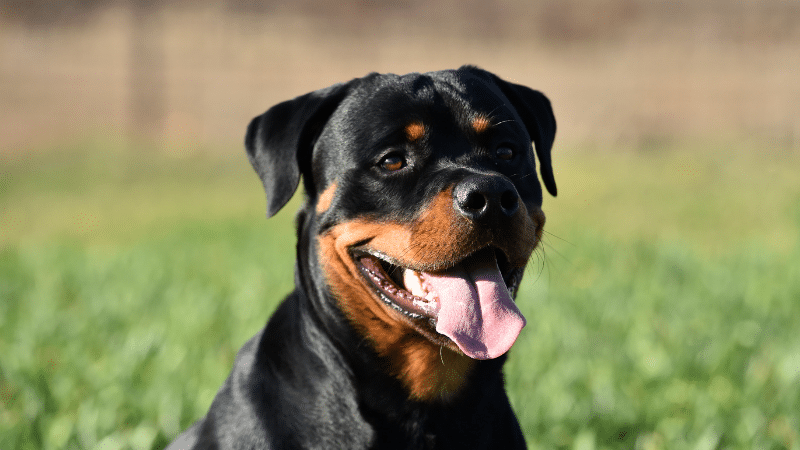
Few breeds are as misunderstood as the Rottweiler. Behind the muscular frame and serious expression is a loyal, intelligent and deeply affectionate dog that thrives on being part of the family. A well-raised Rottweiler is calm, confident and gentle with the people it loves. Getting there, however, takes commitment. This guide walks through what it takes to raise a happy and healthy Rottweiler, from the first weeks of puppyhood through to adulthood.
Understanding the Rottweiler Temperament
Rottweilers were bred as working dogs, driving cattle and later serving as guardians and police dogs. That heritage shows in their character. They are naturally protective, highly trainable and happiest when they have a job to do. They are also sensitive dogs that form strong bonds with their owners and do not cope well with being isolated or left alone for long stretches.
A bored or under-stimulated Rottweiler can become destructive or anxious, so mental engagement matters as much as physical exercise. If you are drawn to guardian breeds in general, you may also enjoy reading about another loyal protector, the Boerboel, which shares some of the same needs.
Early Socialisation Is Everything
The most important work you will ever do with a Rottweiler happens in the first few months. A puppy that meets many people, dogs, sounds, surfaces and situations in a calm, positive way grows into a stable, confident adult. A puppy that is kept isolated is far more likely to become fearful or reactive, and in a large, powerful breed that is a serious problem.
Introduce your Rottweiler puppy to new experiences gradually and always pair them with rewards. Our step-by-step guide to socialising your puppy lays out exactly how to do this during the critical window before sixteen weeks of age.
Training a Rottweiler the Right Way
Rottweilers are eager to learn and quick to pick up commands, which makes training rewarding. Because they are strong and self-assured, consistency and clear boundaries are essential from day one. Start basic obedience early, keep sessions short and upbeat, and make good manners a daily habit rather than a weekly class.
Harsh, punishment-based methods are a mistake with this breed. They can erode trust and provoke defensiveness in a dog powerful enough to do harm. Positive reinforcement, which rewards the behaviour you want, builds a willing, well-mannered dog and strengthens your bond at the same time.
Exercise and Mental Stimulation
A healthy adult Rottweiler needs a solid two hours of activity a day, split into walks, play and training. This is not a breed that will be content with a quick stroll around the block. Long walks, fetch, tug, scent games and puzzle feeders all help burn energy and keep the mind busy. Because their joints are still developing, avoid high-impact exercise such as long runs or repetitive jumping until your dog is fully grown, usually around eighteen months.
Diet and Nutrition
Rottweilers grow into large, heavy dogs, and what you feed them directly affects their long-term health. Choose a high-quality food formulated for large breeds, and follow feeding guidelines carefully, as this breed is prone to weight gain. Overfeeding a puppy, in particular, can push them to grow too fast and place stress on developing joints. Keep fresh water available at all times and resist the urge to over-treat, however appealing those brown eyes are.
Health and Common Concerns
Rottweilers are generally robust, but like all large breeds they are predisposed to certain conditions. Hip and elbow dysplasia, heart conditions such as aortic stenosis, and certain cancers are the main concerns. Buying from a responsible breeder who health-tests their dogs significantly reduces the risk.
Preventive care keeps small problems from becoming big ones. Schedule regular veterinary check-ups, keep up with parasite control and stay current with your dog’s vaccinations. With good care, a Rottweiler typically lives eight to ten years.
A Loyal Companion Worth the Effort
Raising a Rottweiler is a serious commitment, but the reward is a devoted, courageous and loving companion. Give your dog early socialisation, kind and consistent training, plenty of exercise, good nutrition and attentive health care, and you will have a steady, gentle giant who is a credit to the breed. For a deeper look at the breed’s history and character, our companion article on everything you should know about the Rottweiler is well worth a read.