If your cat is showing aggressive behaviour, it’s tempting to reach for a quick fix – and catnip is one of the first things many owners try. The thinking goes: catnip makes cats happy, happy cats are calm, so catnip should settle aggression. The reality is more nuanced, and in some cats catnip can actually make things worse.
How Catnip Works on the Feline Brain
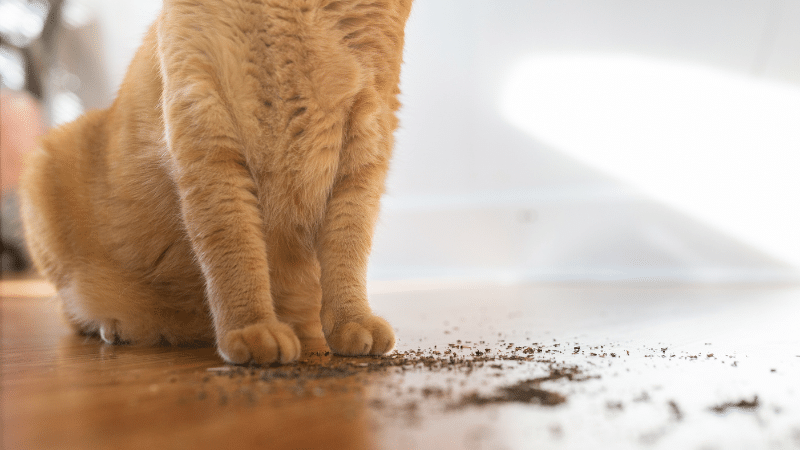
Catnip (Nepeta cataria) contains a volatile oil called nepetalactone. When a cat inhales it, the compound binds to receptors in the nasal tissue and stimulates sensory neurons that feed into the amygdala and hypothalamus – the brain regions that govern emotion and instinctive behaviour. The result is a 5 to 15 minute window where your cat may roll, rub, vocalise, drool, leap about, or stare into the middle distance. After that, most cats settle into a relaxed, drowsy state for 30 minutes to two hours.
Importantly, roughly 30 to 50 percent of cats don’t react to catnip at all. Sensitivity is an inherited trait passed on through a dominant gene, and kittens under six months also tend not to respond. If your cat is a non-responder, catnip won’t shift their behaviour – aggressive or otherwise. The scientific summary of nepetalactone’s effects covers the genetics in more detail.
Will Catnip Calm an Aggressive Cat?
The Post-Catnip Calm Is Real
After the initial burst of activity, responsive cats genuinely do enter a mellow phase. A cat that was tense or irritable beforehand may seem easier to handle during this window. Some owners use this to their advantage – introducing nail clipping, grooming, or carrier training during the calm phase to reduce stress.
But Catnip Is Not a Treatment for Aggression
The post-catnip lull is a side effect of the response cycle, not a behavioural fix. Once the relaxation wears off, the underlying triggers – territory disputes, redirected frustration, fear, pain, or poor socialisation – are still there. If you don’t address those, the aggression returns.
Worse, in a small percentage of cats, catnip itself triggers aggressive behaviour. These cats become hyper-stimulated, hiss, growl, lash out, or attack other pets in the home. If your cat already has a history of fighting with other cats in the household, give catnip a wide berth until the underlying tension is resolved.
What Aggression in Cats Usually Means
Cats rarely lash out for no reason. The most common causes we see in South African households are:
- Fear or territorial stress – a new pet, a new baby, building work, or a neighbouring cat visible through the window.
- Pain or illness – cats hide discomfort, and sudden aggression often signals a vet visit is overdue. The NSPCA recommends a full veterinary check before treating any sudden behavioural change as purely behavioural.
- Redirected aggression – your cat sees something they can’t reach (often through a window) and turns on whoever is closest.
- Play aggression – common in single kittens raised without litter-mates who never learned to moderate bite pressure.
- Boredom and pent-up energy – especially in indoor-only cats who haven’t been given enough stimulation.
What Actually Works for Feline Aggression
Rule Out Pain First
Book a vet check. Dental disease, arthritis, urinary issues, and thyroid problems are all common triggers for sudden grumpiness in cats over the age of seven.
Reduce Triggers
If a neighbour’s cat is winding yours up through the window, block the view with frosted film or close the curtains in that room. If a new pet is the trigger, separate them and reintroduce slowly – smell first, then sight through a barrier, then short supervised meetings.
Channel Energy Into Play
Most play aggression resolves with two daily 10 minute sessions using a wand toy or laser pointer. Burn the prey drive out before it gets redirected at your ankles. The right toys make a measurable difference here.
Don’t Punish
Shouting, spraying with water, or smacking will not stop aggression – it will damage the trust between you and your cat and often makes the behaviour worse. Positive reinforcement is the only training approach that works long-term with cats.
Consider a Calming Diffuser
Synthetic feline facial pheromone diffusers (the most common brand is Feliway) reduce stress-driven aggression in many multi-cat households. They are not a magic cure, but they take the edge off the environmental triggers.
When to Bring in a Professional
If aggression is escalating, drawing blood, or affecting your quality of life, work with a feline behaviourist or a vet who handles behaviour cases. A solid grounding in cat training fundamentals from the start helps – particularly for kittens, where stopping biting and rough play early prevents problems later.
The Honest Answer
Catnip is a fun enrichment tool and the post-response calm is genuine. It can be a useful trick for a one-off stressful situation like a grooming session. But it is not a treatment for aggression, and in a minority of cats it makes things worse. Treat the cause, not the symptom – and use catnip for what it is best at, which is giving your cat a few minutes of harmless joy.