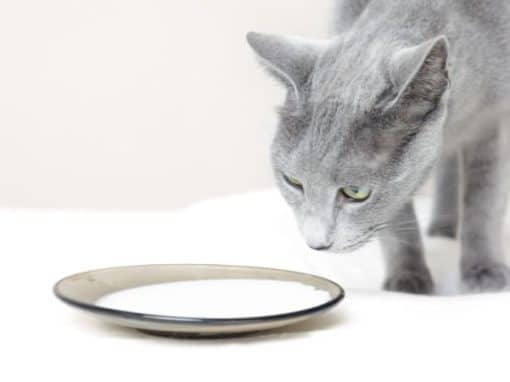
A cat on heat is an unsterilised female in oestrus, the few days in each cycle when she is receptive to mating. Each heat lasts about a week on average, and if she is not mated she will usually come back into heat every two to three weeks for as long as the breeding season lasts. The signs are hard to miss: loud calling, rolling, rubbing and determined attempts to get outside. None of it means she is in pain, and the only permanent solution is sterilisation.
When is cat mating season in South Africa?
Cats are seasonally polyoestrous long-day breeders. Rising day length, rather than temperature, is what switches the cycle on, so in South Africa the mating season typically runs from about August or September through to March or April, with a quieter period over the short days of late autumn and winter. Indoor cats living under artificial light can cycle all year round, which is why some owners see no obvious season at all.
Most female cats have their first heat between five and nine months of age, and some as early as four months. A kitten adopted in spring may be calling by late summer.
Signs your cat is on heat
The behaviour of a cat on heat (or “in heat”, in American phrasing) is distinctive once you know what you are looking at:
- Calling: loud, drawn-out, repetitive vocalising, often at night. Many owners mistake it for distress. It is a long-range signal to toms, and it is one of several reasons why cats meow at all.
- Rolling and rubbing: rolling on the floor and rubbing her head and flanks against furniture, doorways and people, which deposits scent.
- The mating posture (lordosis): if you stroke along her back she crouches, raises her hindquarters, moves her tail to one side and treads with her back feet.
- Restlessness and escape attempts: pacing, sitting at windows and doors, and slipping out at the first opportunity.
- Other changes: a smaller appetite, more licking of the genital area and, in some females, urine spraying.
Unlike a dog on heat, a cat on heat does not have a visible bloody discharge. If you see blood from your cat’s vulva, treat it as a reason to see the vet, not as part of a normal cycle.
How long does a cat stay on heat?
Veterinary references put the average length of oestrus at around six to seven days, although a few days either side is common. The cycle breaks down like this:
Oestrus
The receptive phase, when all of the behaviour above is at its peak. It is sometimes preceded by a day or two of proestrus, when she becomes more affectionate and attracts males but will not yet accept them.
Interoestrus
If she is not mated, the heat subsides and she has a short break, usually one to three weeks, before cycling again. This is why a cat on heat can seem relentless during the season: she is not on heat continuously, but the gaps are short.
After mating
Cats are classically described as induced ovulators: mating triggers a surge of luteinising hormone, and ovulation follows within one to two days. Repeated matings produce a stronger surge, which is part of why pregnancy is so likely once she has access to a tom. Research has since shown that some cats also ovulate spontaneously, without mating. If she ovulates but does not conceive, she will usually stop cycling for around five to six weeks.
Anoestrus
The seasonal rest over the short winter days.
What happens if she mates?
A female can mate with several toms in a single heat, and one litter can have more than one father. Pregnancy lasts roughly 63 to 65 days. If you think she has already mated, our cat pregnancy care guide covers the early signs and what she needs from you.
Toms do not have a heat cycle of their own, but a calling female draws them from a surprising distance, bringing spraying, yowling and fights to your garden. Neutering reduces roaming, marking and fighting in males.
How to manage a cat on heat
You cannot shorten a heat, but you can make it easier on both of you:
- Keep her securely indoors. Check windows, security gates and cat flaps. One escape during oestrus is often enough for a pregnancy.
- Keep intact males away. That includes resident toms and neighbourhood toms at the windows.
- Give her something to do. Short, frequent play sessions and indoor enrichment will not stop the hormones, but they take the edge off the restlessness.
- Be realistic about nights. Night-time calling is hormonal, not a training problem; the routines for training a cat to sleep at night work once the cycle is resolved.
- Clean marked spots with an enzymatic cleaner, not ammonia-based products, which smell like urine to a cat and invite remarking.
- Never punish her. She is not misbehaving.
Hormonal drugs that suppress heat do exist, but they carry well-documented side effects, including diabetes and uterine disease, so most vets reserve them for short-term use, if they use them at all.
Sterilisation: the permanent solution
Spaying ends heat cycles completely and removes the risk of pyometra, a serious uterine infection. It also protects against mammary cancer, which in cats is usually malignant: a 2005 study in the Journal of Veterinary Internal Medicine found that cats spayed before six months of age had a 91 percent lower risk of mammary carcinoma than intact cats, and those spayed before one year an 86 percent lower risk.
There is no health or behavioural benefit in letting a cat have one litter first. Most vets will sterilise from around four to six months, before the first heat, and many welfare organisations sterilise younger. Some vets will spay a cat on heat; others prefer to wait because of the increased blood supply to the reproductive tract.
Sterilisation is also a local welfare issue. The NSPCA and SPCAs across the country treat it as the core tool against unwanted litters and overcrowded shelters, and the City of Cape Town’s draft Animal By-law includes permit provisions for keeping an unsterilised cat or dog. We summarise those proposals in our guide to the new laws for Cape Town pet owners.